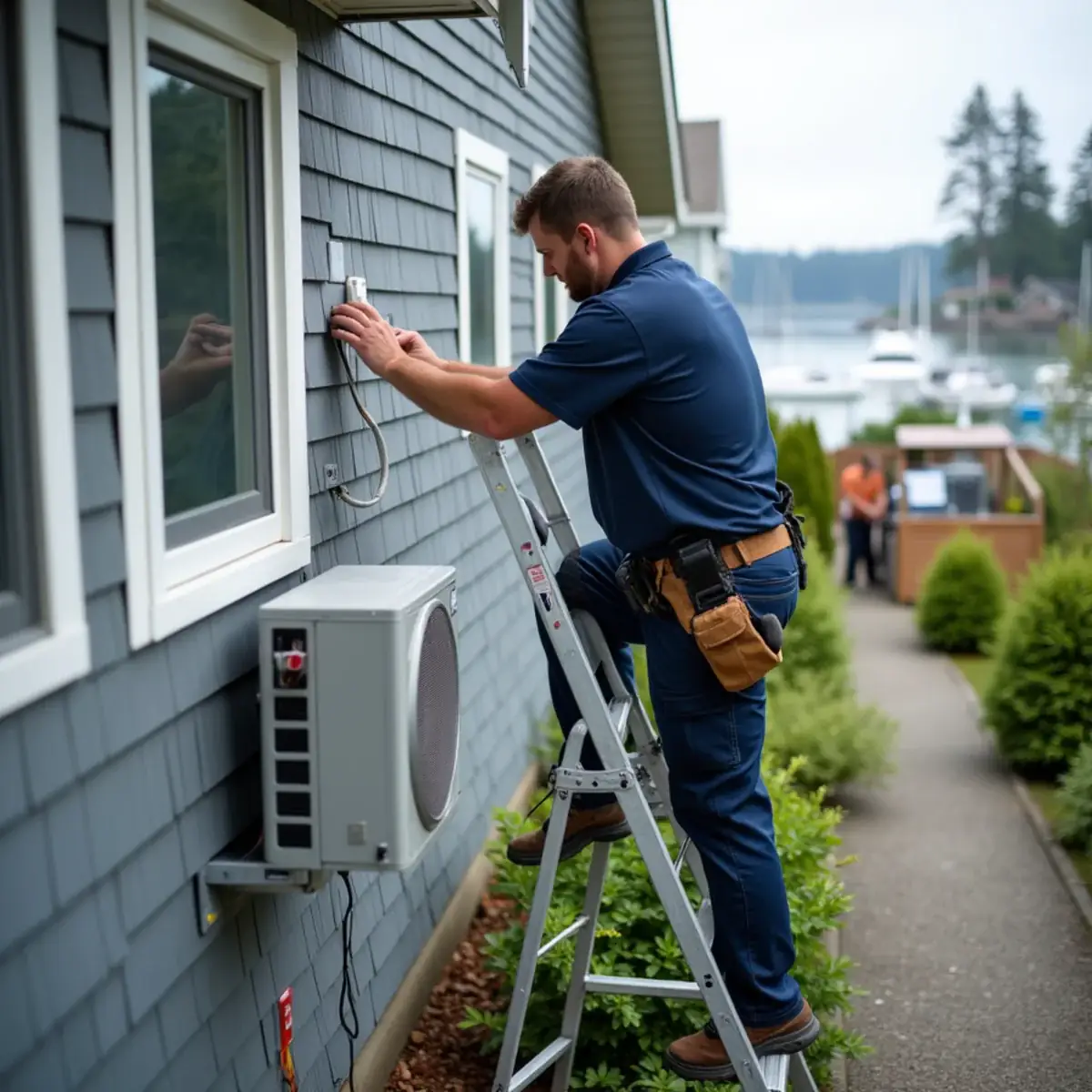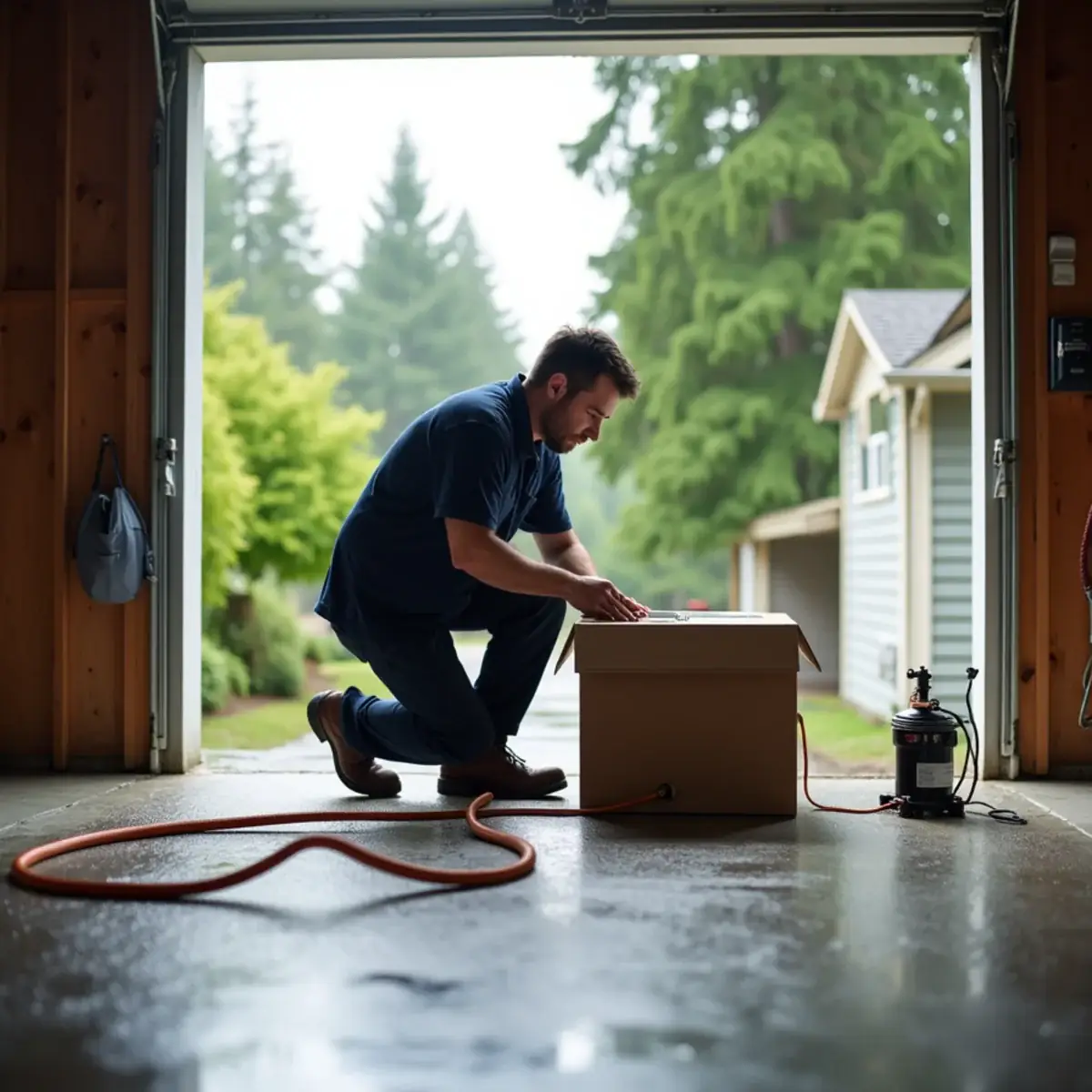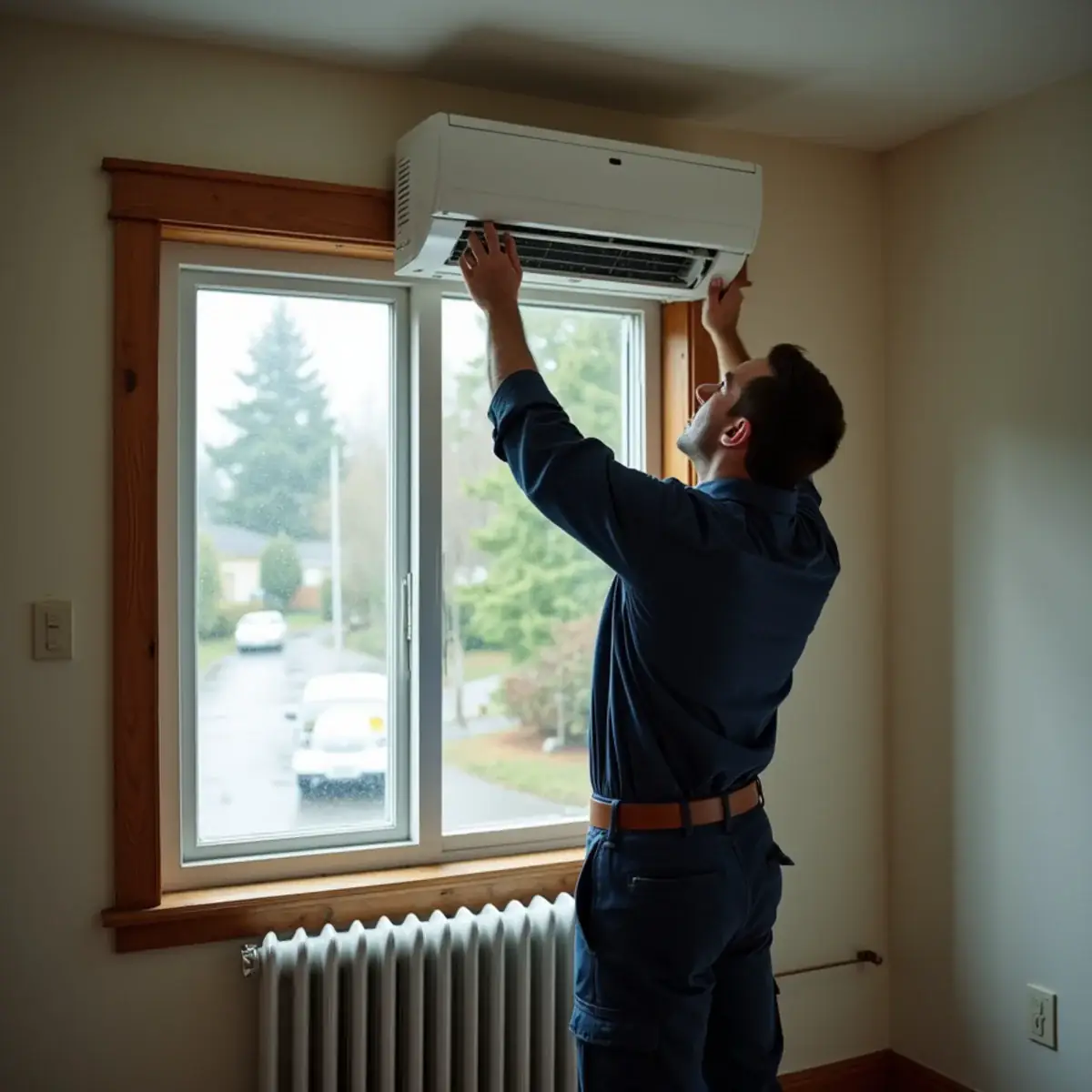
Many older homes near the shipyard were built with electric baseboards or a single wall heater and never had ducts. A ductless mini split in Bremerton, WA gives those houses efficient heat and real summer cooling without tearing into plaster walls or a shallow crawl space.
Each indoor head runs on its own, so you heat the rooms you use and leave the guest room cool. Inverter compressors ramp down to a whisper during our long shoulder seasons, which is where the efficiency gains really add up.
Ductless isn’t always the answer. Homes with good existing ducts are often better served by a central heat pump installation, and we’ll tell you honestly which fits. For a sense of the budget, start with our breakdown of ductless mini-split costs for Kitsap homes.
Reviewed · regional price ranges and rebate details are rechecked at each update.
Where ductless works best
We most often recommend mini-splits for these situations:
Electric baseboard homes
Replacing resistance heaters is the classic ductless project, and one that often qualifies for utility incentives.
Additions and converted garages
Extending ducts to a new room rarely works well. A dedicated head does.
Hot upstairs bedrooms
A single head can fix a room the central system never reached.
ADUs, shops and home offices
Separate spaces get independent control without a second furnace.
Rooms facing west over the water
Afternoon sun off Sinclair Inlet or Dyes Inlet can overwhelm window units.
Baseboard-to-ductless is one of the upgrades PSE’s electric-resistance-to-heat-pump rebate path has covered, but eligibility, qualifying models and amounts change. Check the current program before you choose equipment, and if you already bought a unit online, confirm it is on the qualifying list before counting on a rebate. If you finance the heads, get the APR, term and fees in writing, and leave the expected rebate off the bottom line until it is approved. Our guide to replacing baseboard heat with ductless in older Bremerton homes walks through the room-by-room plan.
What’s included when we install a ductless system
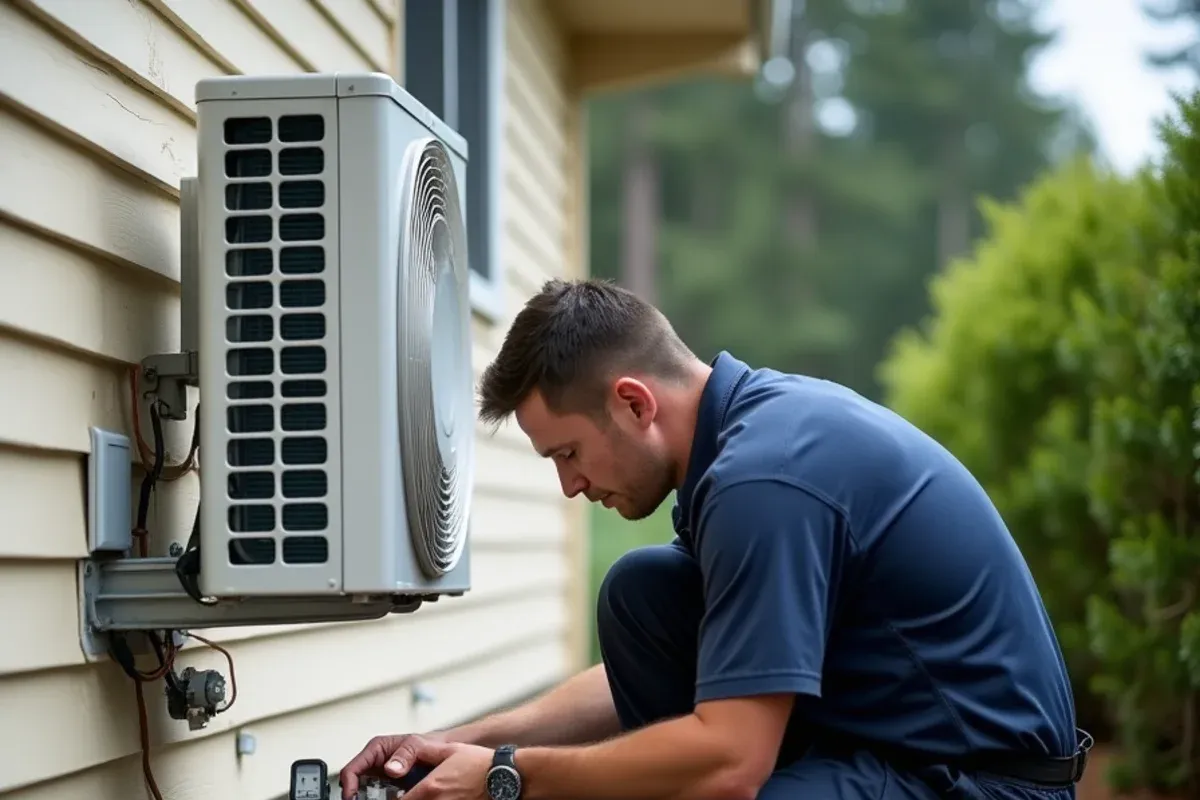
A mini-split quote from us covers the whole path from the indoor head to the breaker, not just the boxes. Every install includes:
Head placement plan
Mounting height, airflow throw and line route for each wall, ceiling-cassette or floor-console head, agreed with you before a single hole is drilled.
Sleeved, capped wall penetrations
Holes sloped to the outside, sleeved and capped so wind-driven rain on south and west walls can’t follow the lines indoors.
Line-hide cover or concealed route
Paintable exterior covers for the line set, or a closet or attic chase where the framing allows it.
Condensate drainage, tested
Each head water-tested, draining by gravity to daylight or through a condensate pump whose discharge point you can see.
Dedicated circuit and disconnect
Wired to the outdoor unit, with old baseboard breakers labeled or removed as agreed in the quote.
Leak check, vacuum and per-head run test
Flares leak-checked, the vacuum logged, and every head run in heat and cool with supply temperatures recorded.
Owner handoff
Remote setup, filter-screen cleaning and a model and serial list for registration. Mini-splits are heat pumps, so later service runs through our heat pump repair team.
How we install a mini-split
A clean install is mostly about details you won’t see once the covers go on:
- 1
Room-by-room load check
Each zone is sized to its own heat loss, so small bedrooms don’t get oversized heads that short-cycle.
- 2
Head and line set layout
We plan wall penetrations, line set routes and condensate drainage with you before drilling anything.
- 3
Outdoor unit mounting
A wall bracket or raised stand keeps it above splash, leaves and snow, with clearance for airflow.
- 4
Flared connections and vacuum
Torque-wrench flares and a deep vacuum confirmed with a micron gauge. This step decides whether the system leaks later.
- 5
Charge, electrical and startup
Refrigerant is adjusted for line length, the dedicated circuit is tested, and each head is run in heat and cool.
- 6
Walkthrough
We show you filter cleaning and remote settings, which is where most owners go wrong.
Factors that shape a ductless quote
Mini-split pricing varies more by layout than by equipment. The main factors:
- Number of zones
- A single-zone install is a different job from a four-head system.
- Line set length and route
- Long runs, second-story heads and hidden routing through closets take longer.
- Condensate drainage
- Heads on interior walls may need a condensate pump.
- Electrical work
- A new dedicated circuit is standard, and some older panels need more.
- Who supplies the equipment
- Customer-supplied units change the labor scope and what we verify up front.
- Baseboard removal
- Pulling and capping old heaters is optional but common.
We don’t publish flat prices because layouts vary so widely. The final price requires a site visit, and you’ll get a written quote that lists every head, circuit and wall penetration.
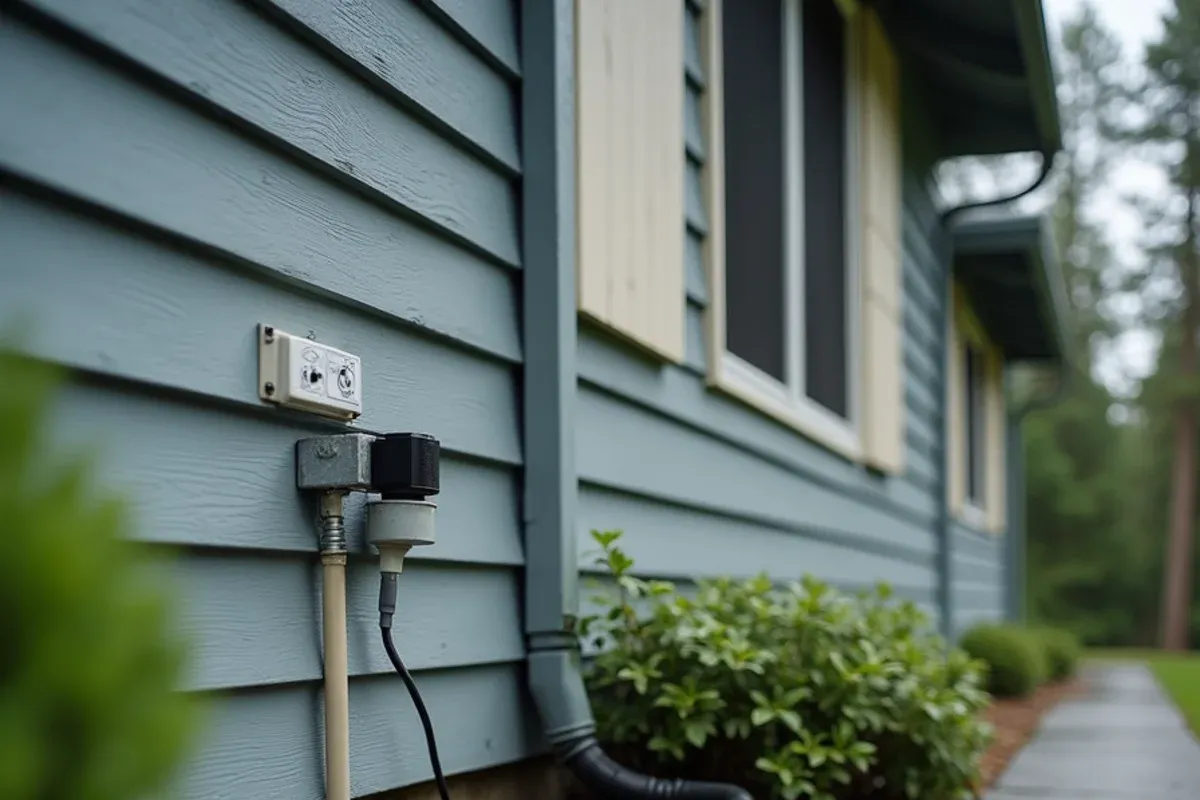
Customer-supplied mini-splits: how we handle them
Yes, we install equipment you’ve bought yourself. We just need the model numbers before the visit so we can confirm capacity, voltage and line set requirements, and check that the unit is new and complete.
Be clear-eyed about one thing: the manufacturer’s parts coverage often depends on professional installation and registration, and we can only stand behind our own labor, not the equipment. DIY-style units with pre-charged quick-connect line sets can work, but their fixed lengths limit where heads can go. Our article on installing a customer-supplied mini-split covers what to verify before you buy.
Ductless in wet, windy Kitsap conditions
Outdoor units here face months of rain, fir needles and, near the shoreline, salt air. We mount them high enough to drain defrost water freely and keep coils clear of debris, and we route line sets with weather-sealed wall caps.
Condensate is the other local issue. In cooling season, and during defrost in winter, water has to go somewhere. A drain line that runs uphill or empties onto a walkway creates problems within a month. We see this often in Navy Yard City duplexes, on Enetai waterfront homes and in newer builds around Silverdale. Keeping heads clean matters too, and our HVAC maintenance visits include coil and blower-wheel checks, while air conditioner installation is worth comparing if you only want summer cooling.
Reading a ductless quote: heads, line sets and condensate pumps
Two bids with the same number of heads can describe very different jobs. Ask for three written quotes itemized head by head, and compare them on these points:
- Capacity per head, tied to that room’s heat loss, and whether the smallest head turns down far enough to avoid short-cycling in a small bedroom
- Line set length for each head, its route (exterior line-hide cover, attic or closet chase) and the charge adjustment for that length
- Condensate plan per head: gravity drain to daylight or a condensate pump, and exactly where each pump discharges
- Wall penetrations: location, sleeve and a sealed cap that holds up to driving rain on the weather side
- Electrical: dedicated circuit and disconnect for each outdoor unit, and what happens to the old baseboard circuits
- Baseboards: which stay as backup, which are removed and capped
Why Bremerton homeowners choose us for ductless mini-split work
Ductless looks simple from the living room. Most failures start with choices made inside the wall and outside the house, and that’s where we spend our time.
Brand-neutral, room-by-room sizing
Each head is sized from that room’s heat loss, and the equipment is picked for how far it turns down in a small bedroom, not to fill a product line.
Customer-supplied units handled openly
Bought your own system? We review the model numbers before the visit and install it to our normal standard, and we’re clear that we cover the labor while the manufacturer covers the equipment.
Refrigerant work under EPA 608
Torqued flares, a logged vacuum and charge trimmed for each line length, all done by certified technicians, with the readings kept on file.
Weather-side details for a wet climate
Wall caps, drain slope and outdoor unit height are planned for weeks of sideways rain. Near the water we follow our own advice on protecting outdoor units from salt air.
FAQ
Ductless Mini-Splits questions from Bremerton homeowners
Will you install a mini-split I bought online?
Yes. Send us the brand and model numbers first so we can confirm it’s the right capacity and voltage for the room and that it includes everything needed. We warranty our installation labor. Equipment coverage comes from the manufacturer, and some require professional installation and registration, so check the terms before buying.
How many indoor heads do I need?
It depends on the floor plan more than the square footage. Open main floors can often be covered by one well-placed head, while closed-off bedrooms usually need their own. We size each zone from a heat loss check rather than defaulting to a head per room, which keeps cost down and avoids oversized units that short-cycle.
Can a mini-split fully replace my baseboard heaters?
In many Bremerton homes, yes. A properly sized cold-climate mini-split system can carry the whole house through a normal winter. Some owners keep one or two baseboards in back rooms as backup for rare Arctic snaps. We’ll tell you which rooms, if any, would benefit from keeping existing heat.
Are mini-splits noisy?
Indoor heads are among the quietest heating equipment available, often quieter than a refrigerator at low speed. Outdoor units are quiet too, though you’ll hear the fan and a brief whoosh during winter defrost. Mounting the outdoor unit away from bedroom windows and on a solid bracket prevents most noise complaints.
Should I get one multi-zone outdoor unit or several single-zone systems?
Both work. A multi-zone unit runs several heads from one outdoor condenser, which saves wall space outside and often costs less up front. Single-zone systems give each area its own outdoor unit, so one failure does not take down every room, and each can turn down lower for small spaces. Tight lots in older Manette and Charleston blocks often favor multi-zone; a house with one big living area and a distant bedroom often suits separate systems.
Will I need a panel upgrade to add ductless heat?
Often not. Mini-split heads draw much less current than the baseboards they replace for the same heat, and removing baseboard circuits frees breaker space. Each outdoor unit still needs its own dedicated circuit and disconnect, so a full 60- or 100-amp panel may need rework. We check the panel load during the estimate, and the electrical work normally carries its own permit through Washington L&I.
Do I have to use wall-mounted heads, or are there other styles?
Wall-mounted heads are the most common and least expensive, but they aren’t the only choice. Ceiling cassettes sit flush in the ceiling, floor consoles fit under a window where an old baseboard used to be, and slim ducted units hide in a closet or attic to serve two small rooms. Each style has its own drain and clearance needs, so we pick them room by room during the layout.
How often should mini-split heads be cleaned?
Rinse or vacuum the filter screens every month or two during heavy use; it takes a few minutes. The coil and blower wheel inside each head need a professional cleaning every year or two, sooner with pets, cooking nearby or damp indoor air, because dust and moisture grow slime that causes odors and drips. Clear fir needles and leaves off the outdoor coil each fall.
Ductless installs from Tracyton to Olalla
Ductless suits the housing in a lot of places we work. Older homes in Tracyton and small cottages in Manchester were often built around baseboards or one wall heater, and a two- or three-head system replaces them without opening floors or plaster.
North Kitsap brings a different mix: compact homes in Keyport and Suquamish where one well-placed head can cover the main floor, and out in Olalla, shops, ADUs and bonus rooms sit too far from the main house to share its ductwork.
We provide ductless mini-split installation across Bremerton and nearby communities, including:
- Ductless Mini-Splits in Kitsap County
- Ductless Mini-Splits in Port Orchard
- Ductless Mini-Splits in Silverdale
- Ductless Mini-Splits in Chico
- Ductless Mini-Splits in Erlands Point-Kitsap Lake
- Ductless Mini-Splits in Navy Yard City
- Ductless Mini-Splits in Rocky Point
- Ductless Mini-Splits in Tracyton
- Ductless Mini-Splits in Enetai
- Ductless Mini-Splits in East Port Orchard