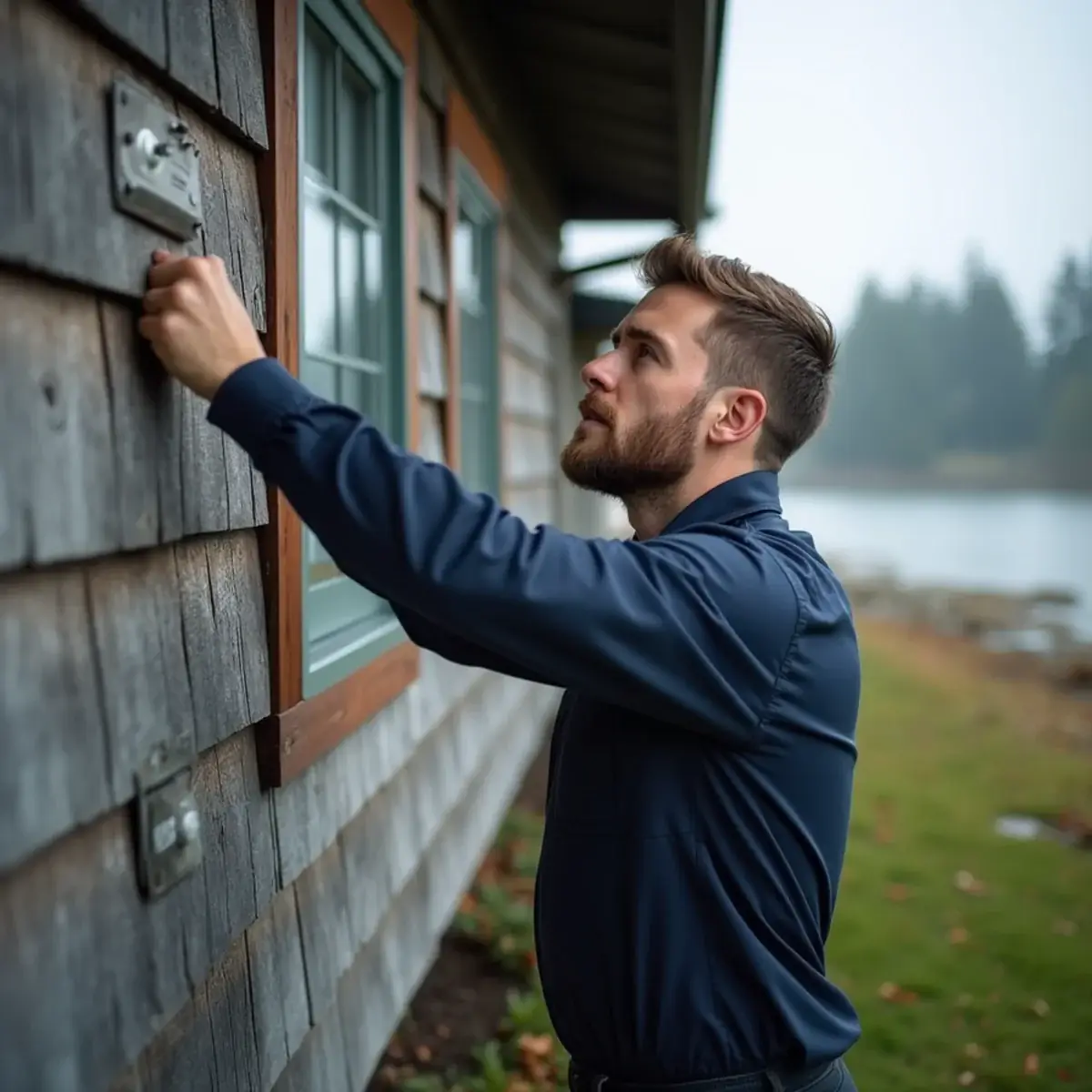
Suquamish sits on the western shore of Agate Passage, within the Port Madison Indian Reservation and home to the Suquamish Tribe. From Bremerton we get there in about 35 minutes: SR-3 to Poulsbo, SR-305 toward the Agate Pass Bridge, then Suquamish Way into town. We work as an HVAC contractor in Suquamish, WA for homeowners, renters and property managers across the community.
It’s a small place with deep history. Chief Seattle’s grave, the Suquamish Museum and the House of Awakened Culture all sit a few minutes from the homes we work in, and most of those homes face either the water or the woods.
Reviewed · travel, permit and utility details are rechecked at each update.
From Summer Cabin to Full-Time Home: Suquamish Heating Retrofits
A lot of Suquamish housing started as seasonal cabins and small beach houses. Over the decades, many became year-round homes with additions built in stages. The result is often three or four construction eras under one roof, uneven insulation, and heating that grew piece by piece: baseboard here, a wood stove there, maybe an old oil furnace feeding ducts that reach only half the rooms.
That’s where the comfort complaints come from. The original cabin core stays cold, the newer addition overheats, and electric bills climb every winter. A single-zone fix rarely solves it. We usually recommend a zoned ductless mini-split layout or a small ducted heat pump, based on a room-by-room load calculation.
Agate Passage wind and salt air shorten the life of outdoor equipment, and damp crawl spaces under older cabins hold moisture that can end up in the ductwork.
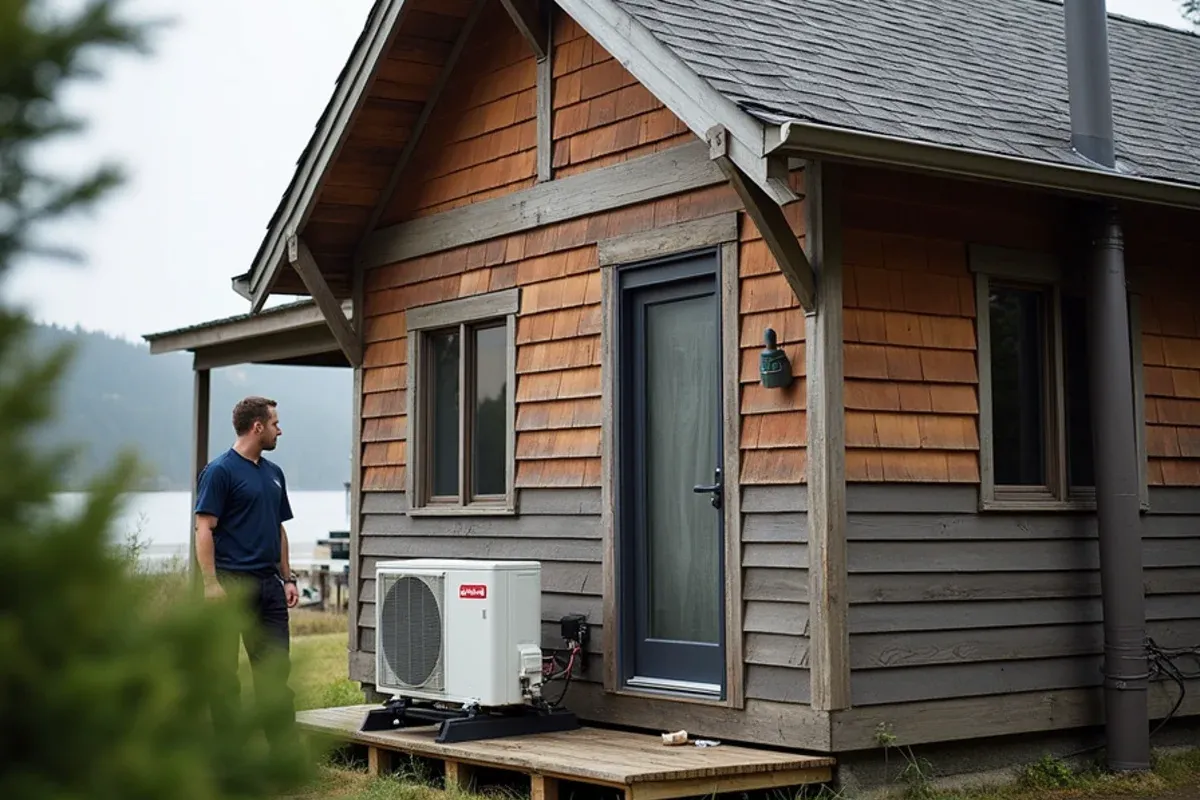
A Common Suquamish Service Call Near Agate Passage
A typical call: a converted cabin off Suquamish Way or near Miller Bay has an oil furnace that won’t fire on the first cold morning of fall. The owner wants heat now and wants to know whether it’s worth fixing again. We restore heat if it’s safe to run, check the heat exchanger and flue, and give a straight answer on repair versus replacement.
Near Old Man House Park and the downtown waterfront, lots are tight and homes sit close together, so outdoor unit placement and line set routing take real planning. Because Suquamish is within the reservation, we confirm which permitting authority applies to your property before any installation starts.
Suquamish at a glance
From our Bremerton base
About 35 minutes from Bremerton via SR-3, SR-305 and Suquamish Way
Neighborhoods & roads we cover
Downtown Suquamish waterfront · Suquamish Way NE · Miller Bay · Old Man House Park area
Near
Suquamish Museum · House of Awakened Culture · Chief Seattle’s grave · Agate Passage · Old Man House Park
ZIP codes
98392
HVAC services we provide in Suquamish
Converted cabins with additions from different decades need zoned heat, and ductless heads let each area run at its own temperature.
Older oil and gas furnaces here tend to quit in the first cold week of fall; we check the heat exchanger, flue and safeties, not just the ignition.
Where old ducts run through damp crawl spaces, cleaning and sealing can cut musty odors; we inspect first and recommend it only when it will help.
When a patchwork system is worn out, we design one system around the whole house instead of bolting on another piece.
Why Suquamish owners of pieced-together homes trust our process
A house that grew from a summer cabin needs someone who looks at the whole thing before touching one part. These four habits come from that kind of work.
Oil burners tested before they’re relit
On a first-cold-morning call near Miller Bay, we inspect the heat exchanger, check draft and run a combustion analysis before calling the furnace safe. The printout goes to you with the furnace repair quote.
Crawl-space moisture on the record
Older cabin floors often sit over bare soil. We photograph standing water, torn vapor barrier and sweating ducts so you know whether a comfort complaint starts below the floor. Our guide to damp crawl spaces and ducts explains the fixes.
Placement worked out on tight waterfront lots
Downtown homes sit close together, so we sketch the outdoor unit spot, line set path and condensate drain before quoting, and check clearance to the neighbor’s windows.
Hardware picked for Agate Passage wind
Coated coils, stainless fasteners and a raised stand add life to equipment facing the channel. We note their condition each year during HVAC maintenance, the same routine we follow in nearby Indianola.
One stage at a time: a phased heating plan for a Suquamish house built in pieces
A house that grew in stages can be heated in stages, as long as the first phase doesn’t box in the second. The mistake we try to head off is buying the cheapest single-zone unit for the cold cabin core, then learning two years later that the addition needs a second outdoor unit, another circuit and panel space that no longer exists.
A workable phased plan usually runs like this:
- Phase one: heat the space you live in most, often the original cabin, with equipment chosen from a whole-house load calculation.
- Plan the panel once: check electrical capacity for the finished system now, even if some circuits wait.
- Phase two: add heads or a second outdoor unit for the newer wing, then retire the oil furnace or baseboards it replaces.
- Paper every stage: keep the permit, model numbers and startup readings for each phase.
- Recheck incentives: rebate rules can shift between phases, so confirm eligibility with your electric utility (PSE for most Kitsap homes) before each purchase. Our Washington heat pump rebate overview lists what to ask.
FAQ
HVAC questions from Suquamish homeowners
What is the best heating upgrade for a converted cabin in Suquamish?
For most converted cabins, a zoned ductless heat pump is the most practical upgrade. It avoids running new ducts through tight crawl spaces, lets you heat the original cabin and later additions separately, and uses far less electricity than baseboard heat. Before recommending equipment, we check insulation, air leaks and the electrical panel, because those often decide what size system makes sense.
Do you work on homes within the Port Madison Indian Reservation?
Yes. We serve homeowners and renters throughout Suquamish and the surrounding reservation area. Before installation work, we confirm which permitting authority applies to the specific property so the job is inspected correctly. If you rent, we can coordinate with your landlord or property manager on approvals and scheduling.
Can I add a second ductless zone to my Suquamish home a few years from now?
Often, if the first install is planned with that in mind. Some multi-zone outdoor units accept additional indoor heads later, while a single-zone unit cannot. The panel, line set routes and outdoor unit location all have to leave room for the addition. Mention the second phase when you ask for the first quote, even if you only buy part of the system now.
Why does my Suquamish cabin still feel damp when the heat is running?
Baseboard heat and wood stoves warm the air but do nothing about moisture coming up from a damp crawl space or in through old walls. Check the vapor barrier under the floor and the bathroom and kitchen fans first. A ductless heat pump helps too, because it pulls moisture out of the air while it heats or cools, and many models have a dry mode for mild, muggy days near the water in Suquamish.
Is the old oil furnace in my Suquamish home still safe to run?
It can be, but age alone does not tell you. A cracked heat exchanger, a blocked flue or poor combustion can push carbon monoxide into the house. Make sure working CO alarms are installed, and have the burner tested with a combustion analyzer each fall. If an alarm sounds or anyone feels ill, get everyone outside and call 911. We also look at the tank and fuel line for leaks during the visit.
Nearby areas we serve
Call your Suquamish HVAC contractor
HVAC Contractor in Bremerton, WA
Serving Bremerton, WA & Kitsap County