Short answer
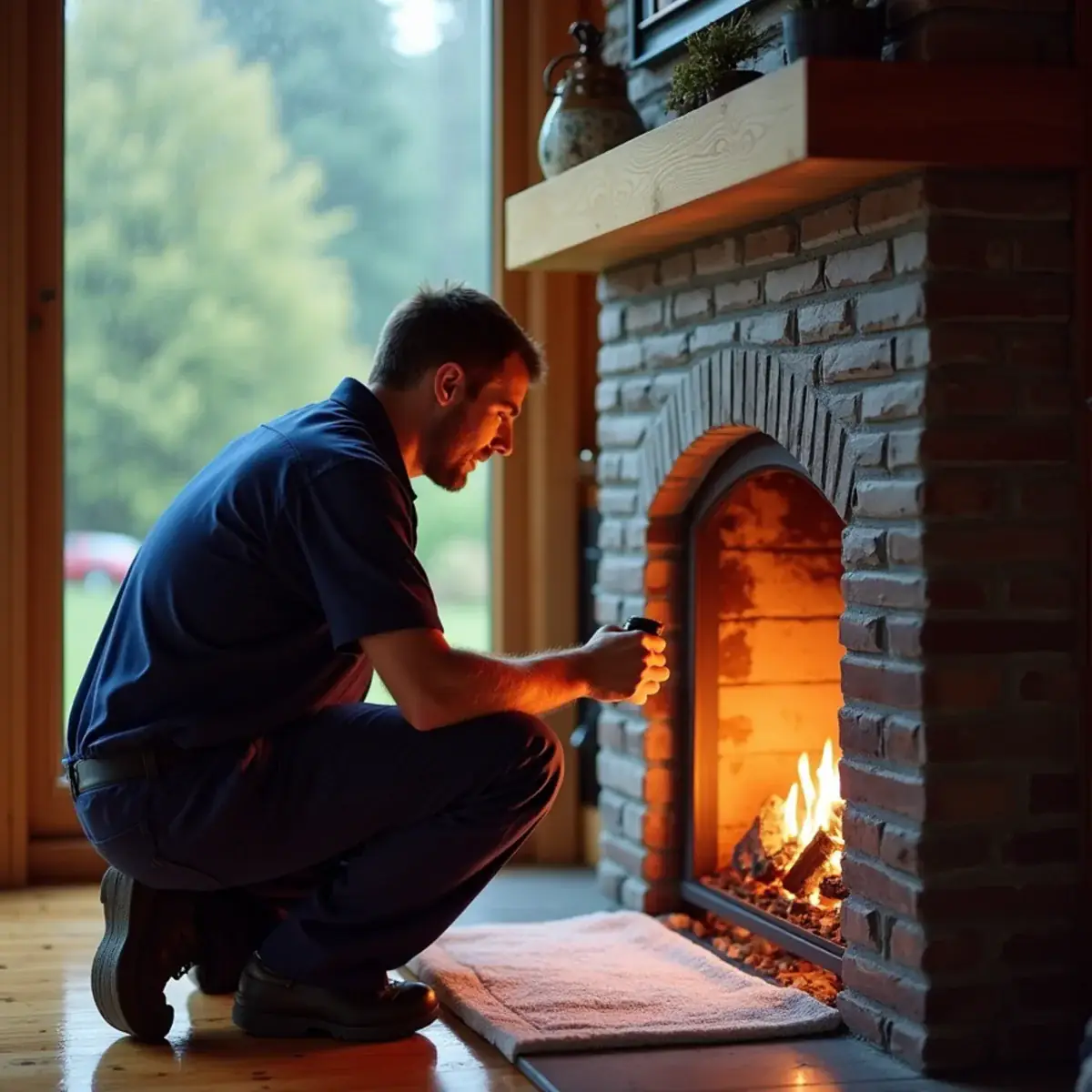
Gas fireplace service in Bremerton, WA covers cleaning, repair and a safety check of direct-vent fireplaces, inserts and vented log sets. We test the pilot, ignition and gas pressure, inspect the vent outside and take a carbon monoxide reading before the unit goes back into use.
Requests for gas fireplace service in Bremerton, WA pick up every October, when people light the fireplace for the first time since spring and the pilot won’t catch. Months of idle time let spiders nest in the pilot tube, dust settle on the thermocouple and moisture creep into the valve.
We service direct-vent fireplaces, gas inserts set into old masonry fireplaces and vented log sets. Every visit includes a venting check and a carbon monoxide reading, because a fireplace is a combustion appliance burning in the middle of your living room.
If you smell gas near the fireplace, don’t try to relight it. Leave the house, then call 911 or Cascade Natural Gas’s emergency line from outside. Our article on gas smells near furnaces and fireplaces explains what’s normal and what isn’t.
Reviewed · regional price ranges and rebate details are rechecked at each update.
Gas Fireplace Problems We Fix
Most fireplace calls fall into a handful of patterns.
Pilot lights but won’t stay lit
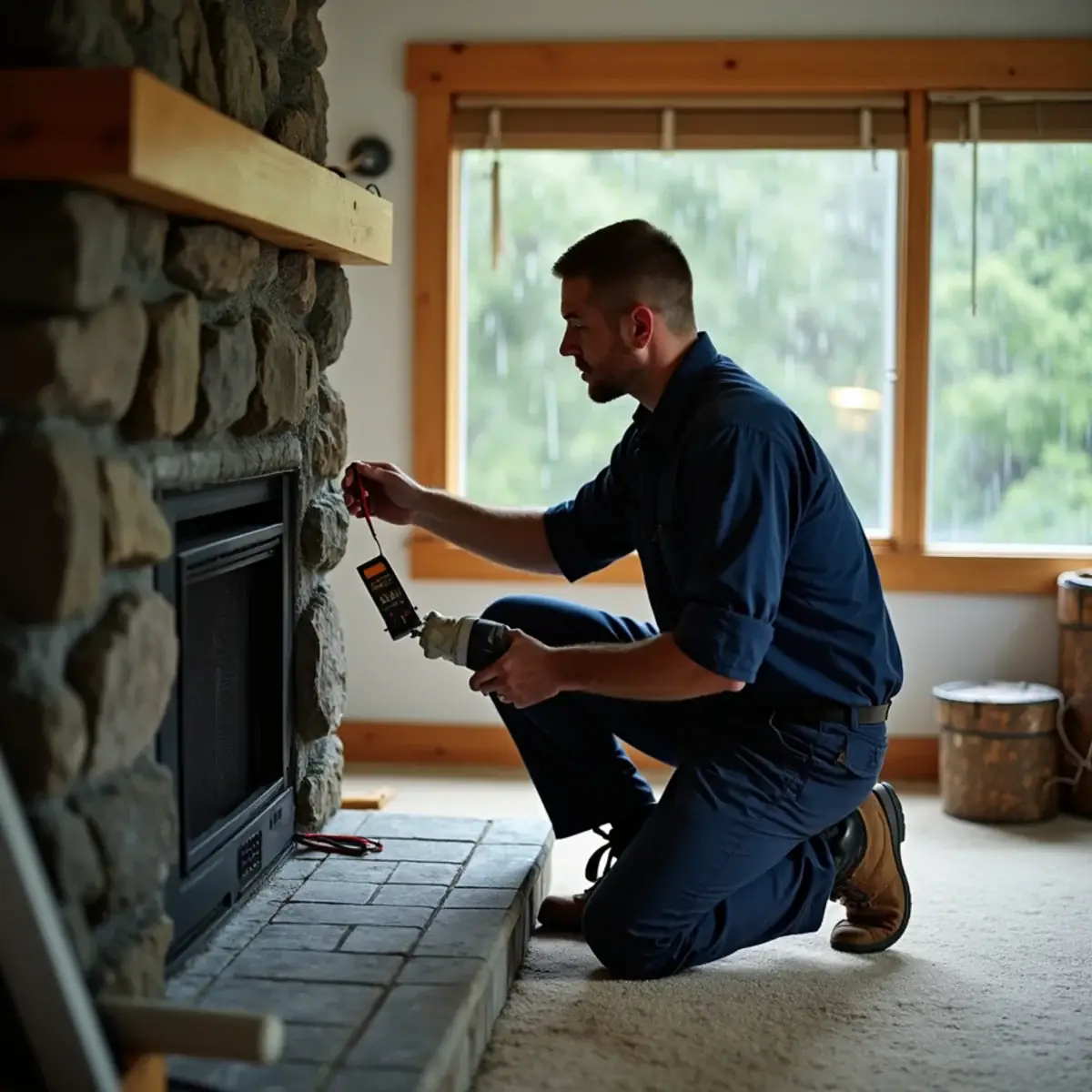
Usually a weak or dirty thermocouple, the part that generates the small voltage holding the gas valve open. We test its millivolt output rather than guessing.
Pilot stays lit, burner won’t come on
Often a weak thermopile, a bad wall switch, a dead remote receiver battery or a loose wire in the switch circuit.
Pilot won’t light at all
Spider webs and debris in the pilot orifice are a classic late-summer problem here. Air in a line that’s sat unused or low gas pressure can do it too.
Soot or tall, lazy yellow flames
Misplaced logs, clogged burner ports or an air shutter out of adjustment. Soot means incomplete combustion, so shut it off and have it checked.
White film on the glass
Normal mineral residue from combustion, but it bakes on if ignored. Use only cleaner made for fireplace glass.
Fireplace shuts itself off
A spill switch or high-limit may be tripping because of a venting problem. That needs a diagnosis, not a workaround.
What you get from a gas fireplace service visit
The steps above describe the work. These are the results you should have in hand when we leave, whether the visit was a tune-up or a repair.
Recorded millivolt readings
Thermocouple or thermopile output written down, so a slow decline shows up at next year’s visit before the pilot quits.
Ignition and controls tested
Wall switch, remote, receiver and electronic igniter checked, with fresh batteries where the unit uses them.
Gas pressures on paper
Inlet and manifold pressure measured against the rating plate, not judged by flame height alone.
Blower cleaned and checked
Fan and motor cleared of pet hair and dust, and the thermal switch that turns it on confirmed working.
Clean glass and correct media layout
Glass cleaned with the right product, gasket checked and logs set back to the manufacturer’s diagram.
CO reading and vent photo
The carbon monoxide number from the burn test plus a dated photo of the outside termination.
What an Annual Gas Fireplace Service Includes
A real service takes time. Here’s the order we work in.
- 1
Shut off and cool down
Gas is turned off at the fireplace valve and the unit cools before the glass comes off.
- 2
Clean and test the pilot assembly
Pilot orifice, thermocouple and thermopile are cleaned, then tested for millivolt output under flame.
- 3
Burner, logs and media
We vacuum the firebox, clear burner ports and reset ceramic logs, embers and glass media to the manufacturer’s layout, which directly affects flame pattern and soot.
- 4
Glass and gasket
The glass is cleaned and the gasket inspected. A leaking gasket on a direct-vent unit can let combustion gases into the room.
- 5
Venting inspection
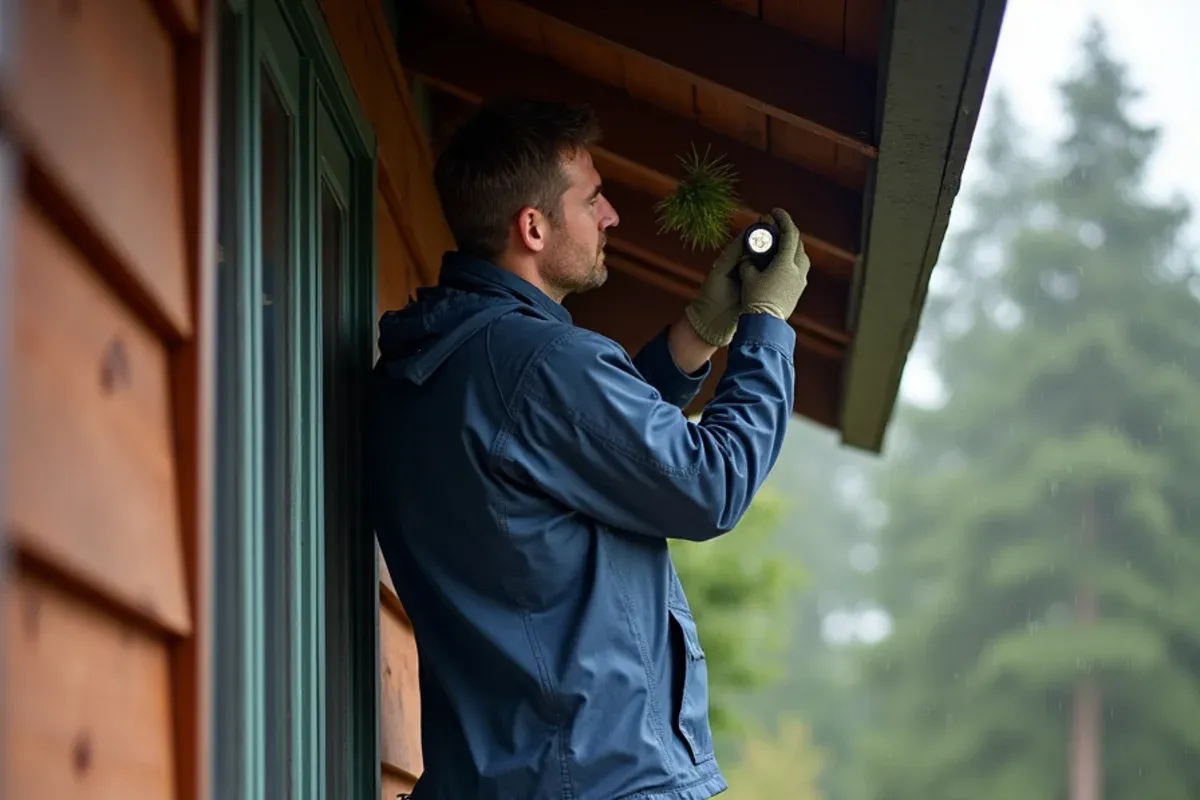
Outside, we check the termination cap for nests, corrosion and clearances from windows, doors and decks.
- 6
Gas pressure and leak check
Inlet and manifold pressures are measured, and every fitting is leak-checked.
- 7
Burn test with CO reading
We run the unit, check the flame and take a carbon monoxide reading before signing off.
What Affects Gas Fireplace Service Cost
Annual cleaning is predictable. Repairs depend on what we find.
- Type of visit
- A routine cleaning and inspection costs less than diagnosing a unit that won’t start.
- Parts
- Thermocouples are inexpensive. Thermopiles, gas valves, remote receivers and blower motors cost more.
- Unit age and availability
- Parts for older or discontinued fireplaces can be hard to source, and some need universal replacements.
- Access
- Inserts in masonry fireplaces or units with fixed surrounds take longer to pull and reinstall.
- Venting repairs
- Corroded termination caps or damaged vent pipe add materials and labor.
- Gas supply work
- If the fireplace needs a new or upsized supply, that’s quoted separately as gas line installation work.
We quote after inspecting the unit. The final price requires a site visit.
Your Fireplace as Backup Heat During Windstorms
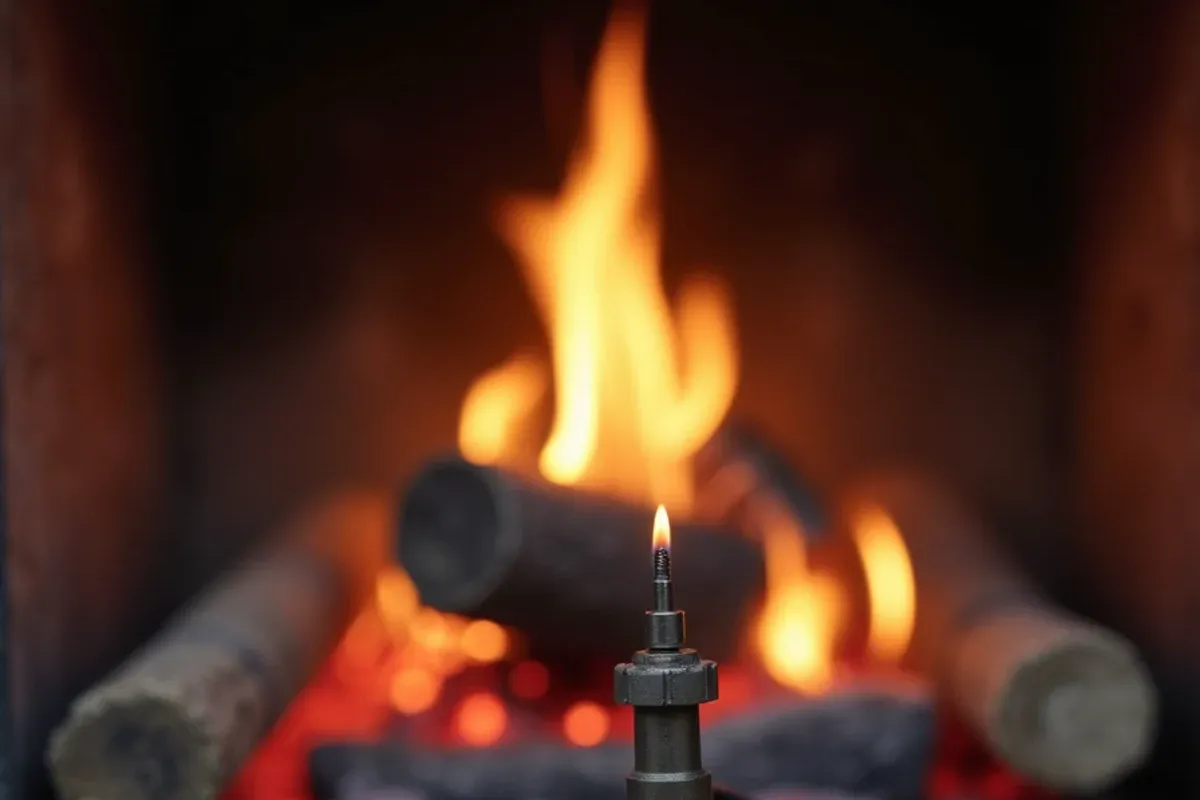
Many gas fireplaces with a standing pilot and thermopile run without household electricity. In a Kitsap windstorm outage, that can make the fireplace the only working heat in the house. Units with electronic ignition may need batteries or a backup to light, so check your owner’s manual now, not during the storm.
That’s a strong reason to have the fireplace serviced before winter. One that won’t light during a multi-day outage is more than an inconvenience, especially in neighborhoods like Enetai and Tracyton where tall trees line so many roads.
Expect less heat without power, since the blower won’t run. Keep a battery-powered CO alarm nearby whenever the fireplace carries the load. Our fall gas fireplace checklist covers what homeowners can safely do themselves before the rainy season.
Salt Air, Moss and Vent Terminations
Direct-vent fireplaces exhaust through a cap on an outside wall or the roof. Near the water, salt air corrodes those caps faster, a common finding on homes we service around Sinclair Inlet and in Port Orchard. Moss and needles collect on horizontal terminations tucked under eaves.
We confirm the cap is intact, clear of nests and debris, and meets clearance requirements. A blocked or damaged termination can shut the unit down or, worse, let exhaust re-enter the house.
Fireplace service pairs well with your annual heating system maintenance. And if your furnace is showing similar trouble after a long idle stretch, such as ignition failures or short cycling, furnace repair can be scheduled on the same trip.
Carbon monoxide warning signs around a gas fireplace
Carbon monoxide has no smell, so the alarm and your body are the warnings. Headache, dizziness, nausea or unusual sleepiness that eases when you step outside are classic signs, and they’re easy to mistake for flu during a Kitsap winter.
If a CO alarm sounds or anyone has those symptoms, turn the fireplace off, get everyone outside and call 911 from there. Don’t relight it until it has been inspected, even if the alarm goes quiet. At the fireplace itself, these point to a combustion or venting problem:
- Black soot on the glass, the surround or the wall above the unit
- Flames lifting off the burner or rolling toward the glass
- A sharp exhaust odor or window condensation in the room when it runs
- An outside vent cap crowded by a new deck, shrub or siding change
Getting the Fireplace Outage-Ready Before Windstorm Season
Homes under the big firs around Illahee and Kitsap Lake lose power often enough that a fall test run is worth the ten minutes:
- Unplug the blower or switch off its circuit, then confirm the fireplace lights and stays lit without household power.
- Put fresh batteries in the remote, the wall receiver and any battery backup pack on electronic-ignition units.
- Know where the fireplace shutoff valve is, usually behind the lower grille.
- Keep kids and pets back from the glass, which gets hot enough to burn.
- Plan for the rest of the house too: our guide to restarting a heat pump after a power outage covers what to do when the lights come back, and no heat repair is there if the main system won’t restart.
Why homeowners trust us with gas fireplace service
A gas fireplace is a gas appliance first and a hearth second. We service it the same way we would a furnace.
Gas and HVAC techs, not only sweeps
We carry a manometer and a CO analyzer, and we can fix the supply line or look at the furnace on the same trip.
Tested parts, not swapped parts
A gas valve isn’t replaced until the thermocouple, thermopile and switch circuit have been ruled out with a meter.
Numbers you can compare year to year
Millivolts, pressures and the CO reading go into a dated record, so trends are visible before a no-start.
Knowledge of idle-season problems here
Spiders in the pilot tube after a dry summer and corroded caps near the water are the first things we look for in Kitsap homes.
FAQ
Gas Fireplace Service questions from Bremerton homeowners
How often should a gas fireplace be serviced?
Once a year is the standard recommendation from most manufacturers, ideally in late summer or early fall before heavy use. Annual service catches debris in the pilot, weak thermocouples and venting problems before they cause a no-start or a safety issue. Fireplaces used as a main heat source through the winter benefit most from regular service.
Why won’t my gas fireplace pilot stay lit?
The most common reason is a thermocouple that is dirty, worn or not sitting in the pilot flame, so it can’t generate enough voltage to hold the gas valve open. A dirty pilot orifice that produces a weak flame causes the same symptom. Less often, the gas valve itself is failing. We test the millivolt output to pinpoint which.
Is it safe to use my gas fireplace during a power outage?
Many standing-pilot fireplaces can run during an outage because they don’t need household power. Check your manual first, since some electronic ignition models need batteries to light. Make sure the vent is clear, keep a battery-powered CO alarm in the home and follow the manufacturer’s guidance on running the fireplace unattended or overnight.
What’s the white film on my fireplace glass?
It is mineral residue left by combustion and is normal, especially on newer units or after the first fires of the season. Clean it with a product made for gas fireplace glass once the unit is fully cool. Household glass cleaners can streak or etch ceramic glass. If the film is black instead of white, that’s soot and the fireplace needs service.
Where should I put a carbon monoxide alarm if I have a gas fireplace?
Follow the alarm manufacturer’s placement instructions first. The common pattern is an alarm outside each sleeping area and one on every level of the home, including the level with the fireplace. Avoid mounting it right beside the unit, where a brief puff at start-up can cause nuisance alarms. Battery or battery-backup models keep working during a power outage, which is exactly when the fireplace is most likely to be carrying the load.
Does a gas fireplace need a chimney sweep?
A direct-vent gas fireplace doesn’t build up creosote, so it needs a gas service tech more than a sweep. The exception is a gas insert or vented log set in an old masonry chimney. There, the liner, cap and chimney still need checking for nests, debris and damage, and a log set needs its damper fixed open. Tell us which type you have when booking so we plan the visit correctly.
Fireplace tune-ups from Poulsbo to Gig Harbor
Tall timber along North Kitsap roads means more autumn outages, so fireplaces in Poulsbo and Kingston often need to light without household power. A fall visit confirms they will.
Waterfront homes on Bainbridge Island and around Gig Harbor put direct-vent caps in the path of salt spray, and many newer great rooms there are built around a fireplace that runs most evenings. If the supply pipe needs changes, our gas line installation crew handles it.
We provide gas fireplace service across Bremerton and nearby communities, including:
- Gas Fireplace Service in Kitsap County
- Gas Fireplace Service in Port Orchard
- Gas Fireplace Service in Silverdale
- Gas Fireplace Service in Chico
- Gas Fireplace Service in Erlands Point-Kitsap Lake
- Gas Fireplace Service in Navy Yard City
- Gas Fireplace Service in Rocky Point
- Gas Fireplace Service in Tracyton
- Gas Fireplace Service in Enetai
- Gas Fireplace Service in East Port Orchard