Short answer
Gas fireplace maintenance before Kitsap’s rainy season means a September check of the pilot and flame color, the glass and gasket, the outdoor vent cap, remote batteries and every CO alarm, plus an annual technician visit to clean the burner, test the thermocouple or thermopile, and confirm gas pressure and venting.
The first cold, wet evening of the season is when everyone reaches for the fireplace switch. It’s also when we get calls about pilots that won’t light, sooty glass and odd smells. A short round of gas fireplace maintenance in September avoids most of that.
This checklist comes from what we find in homes across Poulsbo and Kingston, where plenty of 1990s and early-2000s direct-vent units are now old enough to need regular attention. Some items you can check yourself. Others belong with a technician.
Why September is the right time
A fireplace that sat idle all summer collects dust, spider webs and sometimes a wasp nest in the vent cap. Catching those before the heating season means you’re not waiting for a service slot in November, when every tech in the county is booked with no-heat calls.
Our climate adds a second reason. Damp air, and salt air near the water in Kingston, slowly corrodes vent caps, burner parts and pilot assemblies. A fireplace that ran fine last winter can come out of summer with a weak thermopile or a rusty vent cap, and September gives you time to fix it before you rely on it every evening.
The gas fireplace maintenance checklist
Work through these with the fireplace off and cool, and stop at anything that looks wrong.
1. Pilot and flame
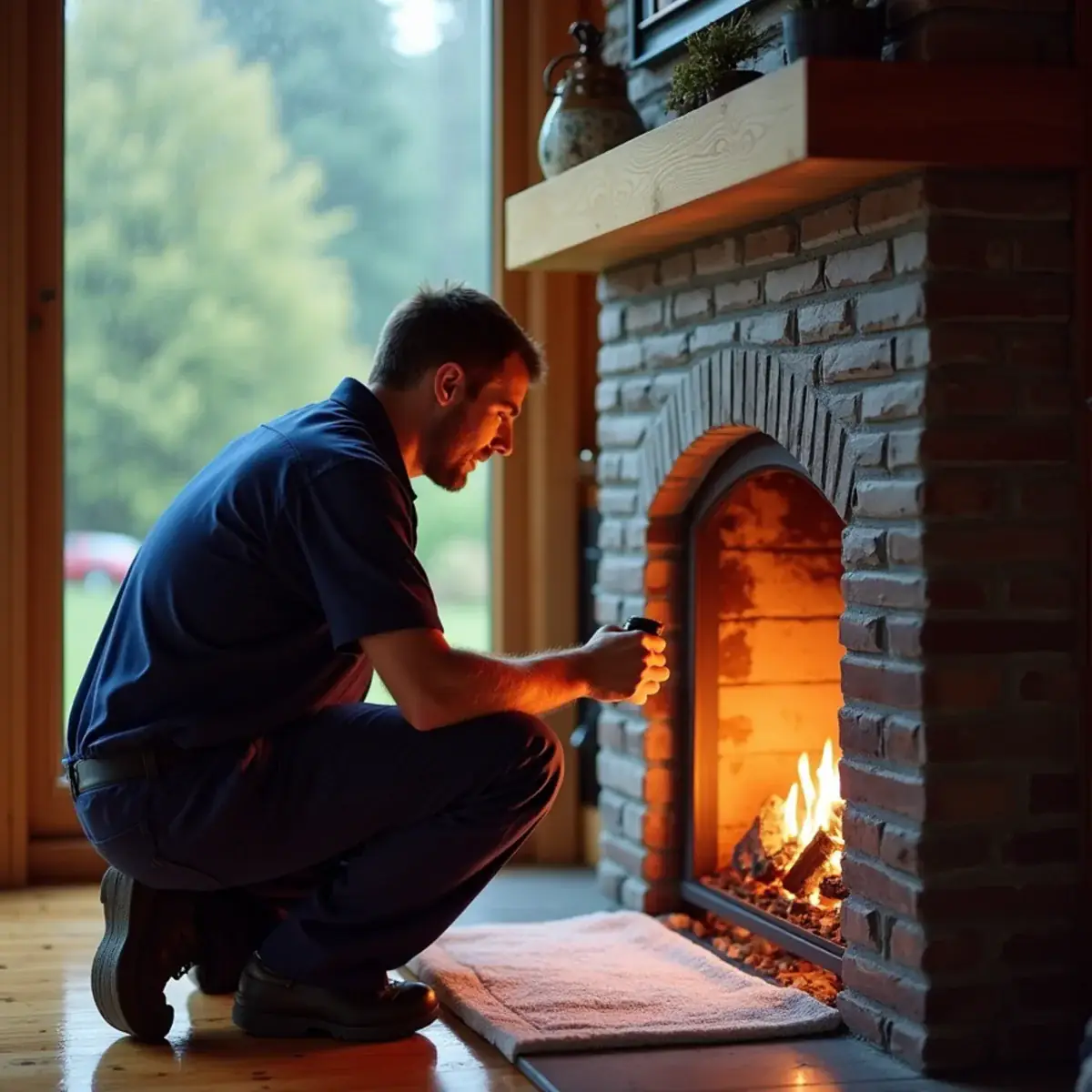
Light the unit and watch. The pilot should be steady and wrap the sensor. Main burner flames should be mostly blue at the base with some yellow in the log area on most models. Lazy, lifting or dark orange flames, or soot on the glass, mean something is off.
2. Thermocouple and thermopile
Standing-pilot fireplaces use a thermocouple as a safety device and a thermopile to generate the small voltage that operates the gas valve. When either weakens, the pilot won’t stay lit or the burner won’t come on from the wall switch. A technician tests their output with a meter rather than guessing.
3. Spiders in the orifices
Spiders are known for building webs in burner tubes, air shutters and pilot orifices over the summer. A small web can starve the flame of air and cause yellow, sooty flames or a pilot that won’t light. Cleaning those passages properly means removing the logs and sometimes the burner.
4. Glass, gasket and logs
A white haze on the glass is normal combustion residue. Clean it only when fully cool, using a cleaner made for fireplace glass, not household glass spray. The gasket around a direct-vent unit’s glass seals the combustion chamber from your living room, so a torn or flattened gasket or cracked glass means the unit shouldn’t run until it’s repaired. Logs must sit exactly as the manual shows, or flames impinge and soot forms.
5. Vent termination outside
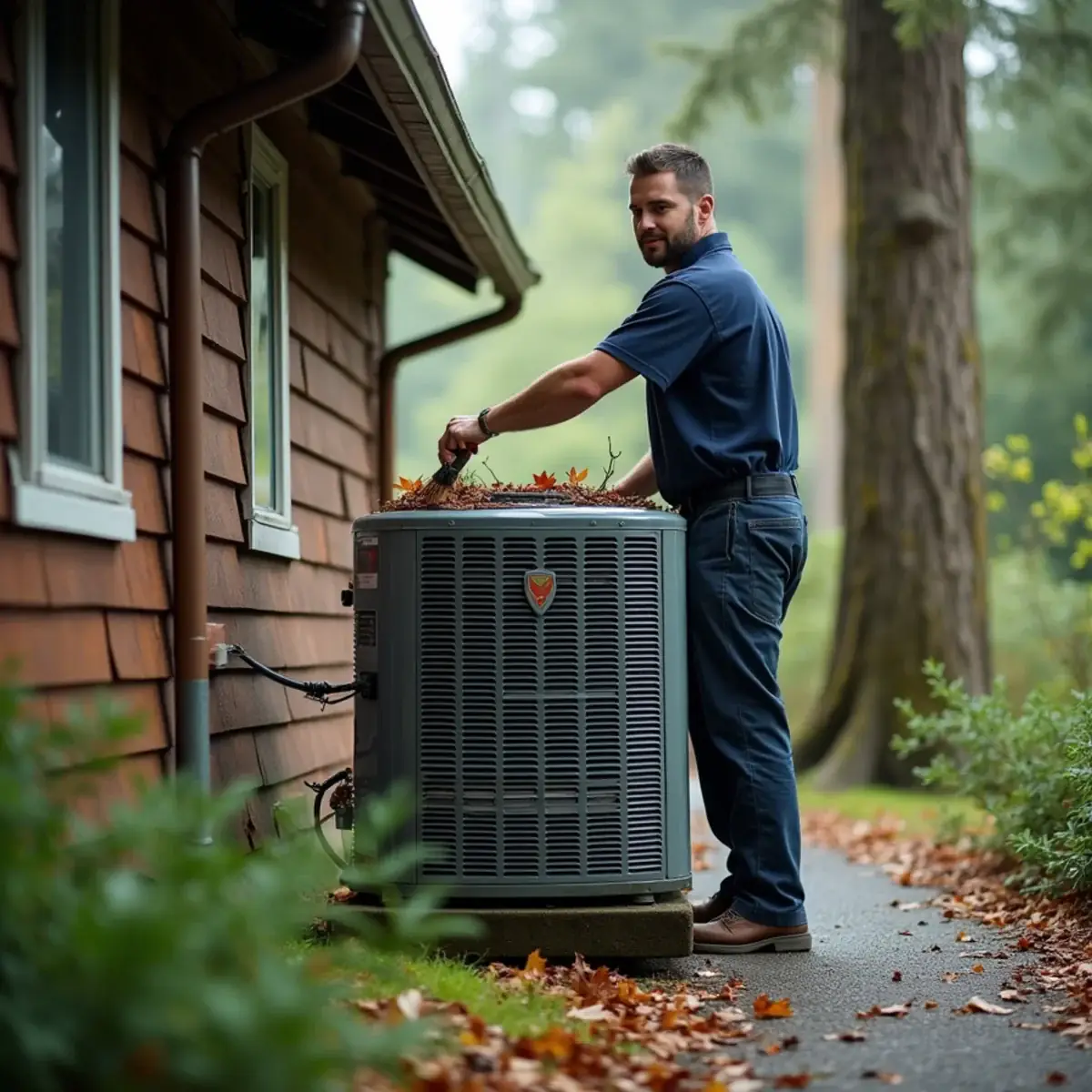
Walk outside to the wall or roof cap. It should be clear of shrubs, bird and wasp nests, and debris. Soot or discoloration on the siding around it is a sign of poor combustion and needs a service visit.
6. Carbon monoxide alarms
Test every CO alarm, check the expiration date on the back, and make sure there’s one outside each sleeping area. Washington requires CO alarms in most homes, and any gas appliance makes them essential.
What to leave to a technician
Homeowners shouldn’t adjust gas valves, burner pressure or air shutters, or drill orifices. A professional gas fireplace service visit covers cleaning the burner and pilot assembly, testing the thermocouple or thermopile, checking gas pressure, inspecting the gasket and venting, and confirming the unit is burning cleanly.
If you ever smell gas, don’t troubleshoot. Leave the house, then from outside call 911 or your gas utility’s emergency line, which is Cascade Natural Gas for most Kitsap homes. Our article on what to do if you smell gas near a furnace or fireplace walks through it.
A CO alarm going off is not a reset-and-see situation. Turn the fireplace off if you can do it on the way out, get everyone outside, and call 911. Don’t relight the unit until a technician has found the cause. For routine service, a photo of the rating plate, usually behind the lower grille, helps the tech bring the right thermocouple or pilot parts.
Replacing an old unit or adding a gas insert is a bigger job than service. New appliances and gas piping usually need a permit through the City of Bremerton or Kitsap County, and the installer should hold a current Washington L&I registration. We cover the piping side under gas line installation.
Pair it with your furnace check
Many Kitsap homes use the fireplace as supplemental heat and the furnace or heat pump for the rest. Booking both at once is efficient, and our HVAC maintenance visits can include the fireplace so the whole house is ready before the rain settles in.
From the field
From the field: what a fall fireplace visit turns up in wet Kitsap weather
On a service call we put a manometer on the valve to read inlet and manifold gas pressure, then meter the thermopile both at rest and with the valve calling. A thermopile that looks fine at rest but sags under load explains most of the fire-goes-out-after-a-minute complaints we hear in October.
Rain is the local twist. A vent cap with failing flashing or a loose storm collar lets water run down the outer pipe, and the first sign is rust flakes on the firebox floor or a burner that has started to scale. We trace that before cleaning, because a clean burner in a wet firebox will look the same again by spring. Salt air near the water speeds it up, as our salt air corrosion guide explains.
There is an honest tradeoff on summer pilots. Shutting a standing pilot off saves some gas, but a cold firebox gathers condensation and gives spiders a quiet season. Leaving it on keeps the chamber dry. Either choice works if the unit gets looked at before daily use.
- Receiver battery packs, often behind the lower grille, cause more no-start calls than failed valves
- Corroded wall switch contacts can mimic a dead thermopile
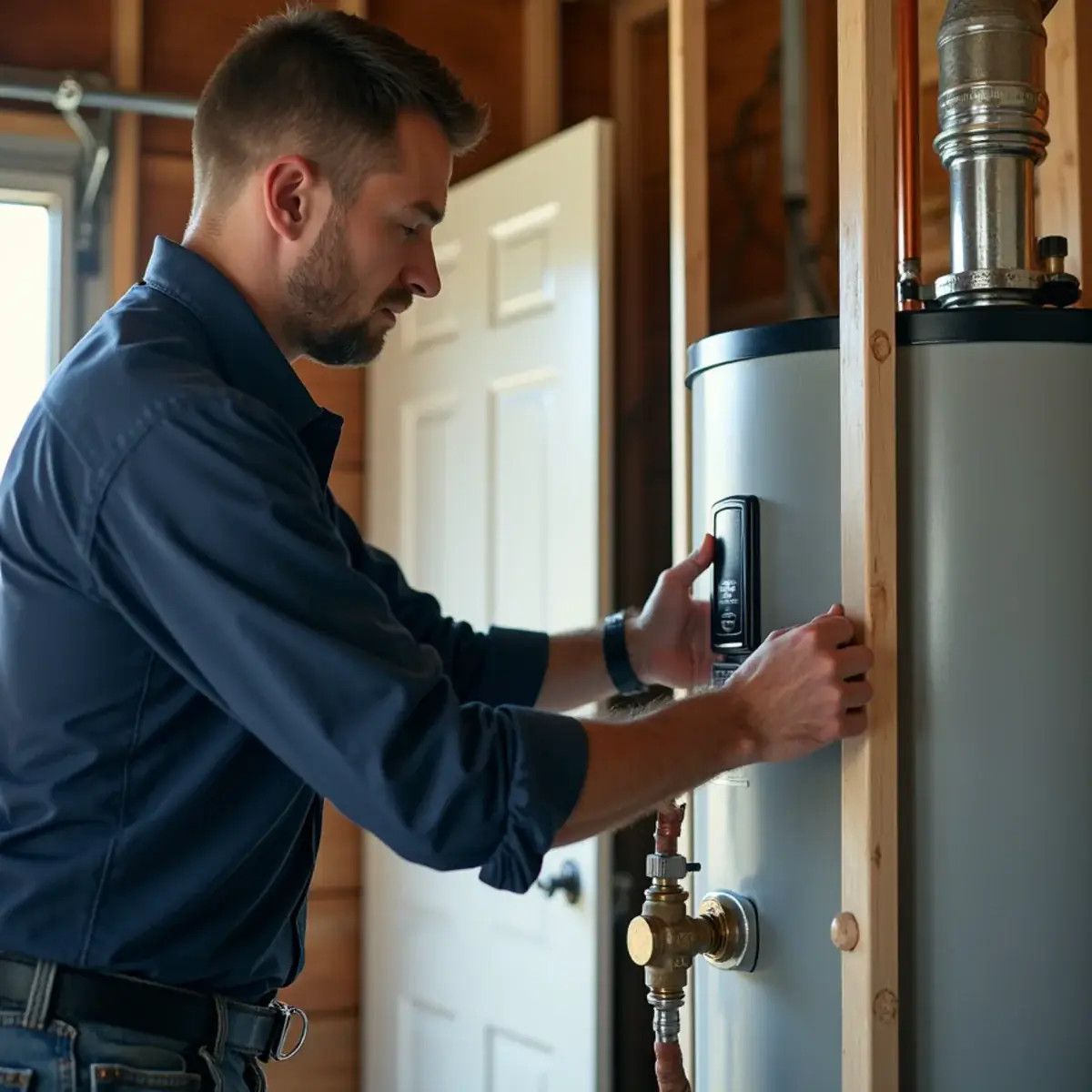
- If the fireplace shares a gas line with the tank, it makes sense to book water heater service on the same visit
- Soot on siding at the vent or a CO alarm is a stop-now sign; see emergency HVAC repair
FAQ
Quick answers
How often should a gas fireplace be serviced?
Once a year is a sensible rhythm for most homes, ideally in late summer or early fall before daily use starts. Fireplaces used as a main heat source, or units that sat unused for a long stretch, benefit most. Annual service catches weak thermopiles, blocked burners and gasket problems before they leave you without a fire.
Why won’t my gas fireplace pilot stay lit?
The most common causes are a weak or dirty thermocouple, a pilot flame that isn’t fully contacting the sensor, or a partly blocked pilot orifice, often from spider webs or dust. Drafts and low gas pressure can also play a role. A technician can test the components and clean the pilot assembly safely.
Is the white film on my fireplace glass dangerous?
A light white haze is normal combustion residue and isn’t a hazard by itself. Clean it when the glass is fully cool, using a cleaner made for fireplace glass. Heavy black soot is different. It points to poor combustion, misplaced logs or blocked air passages, and the unit should be inspected before further use.
Are there rebates for replacing an old gas fireplace or insert?
Sometimes. Cascade Natural Gas, the gas utility for most Kitsap homes, runs its own equipment rebate programs, and qualifying models and rules change. Check the current program before you buy, not after installation, and keep the model number and invoice. Treat any incentive as separate from the installed price when you compare quotes.
Why won’t my gas fireplace turn on with the remote or wall switch?
Start with batteries. Many remote systems have a receiver with its own battery pack, often tucked behind the lower grille, and electronic-ignition units may also have a battery backup. If fresh batteries don’t help, the cause may be a weak thermopile that can’t power the valve, a corroded wall switch or a pilot that has gone out. Leave gas-side testing to a technician.
The bottom line
Twenty minutes of checking in September can save a cold, frustrating evening in November. Look at the flame, the glass, the vent cap and your CO alarms, and leave the gas components to someone trained to test them.
If your fireplace is due for its annual cleaning or something on this list looked off, we’d be glad to get it ready for the rainy season.
Sources & official references
- Cascade Natural Gas: safety and rebate programs
- Kitsap County Department of Community Development: permits
- Washington L&I: verify a contractor’s registration
Programs, rules and fees change. Confirm current details with the source before you act.