Short answer
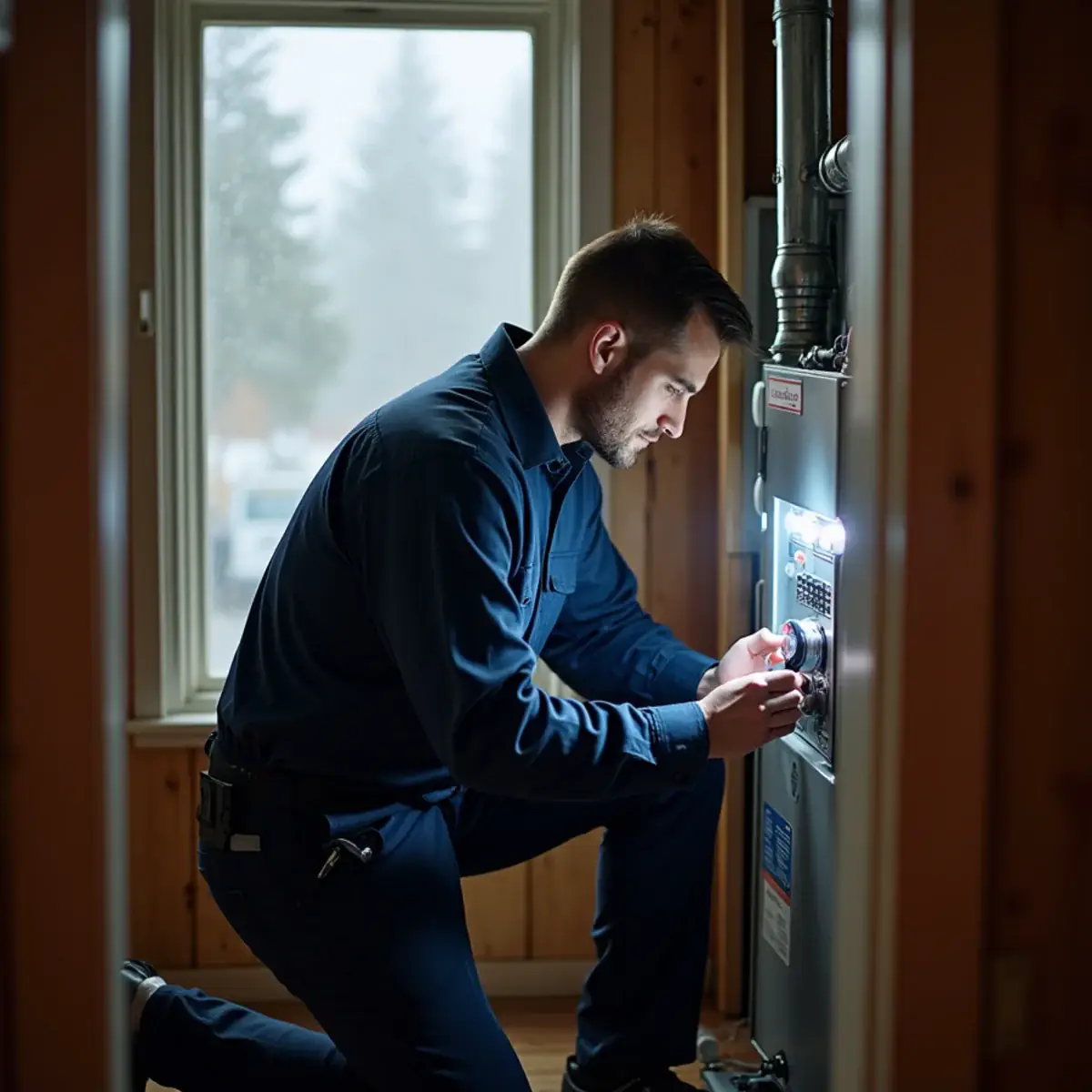
Emergency HVAC repair in Bremerton, WA is for failures that put people or the house at risk: no heat during a freeze, a burning smell, water pouring from equipment, or dangerous indoor heat with vulnerable people home. We triage by phone, check for gas, CO and electrical hazards on arrival, then diagnose and repair or stabilize with the parts on the truck.
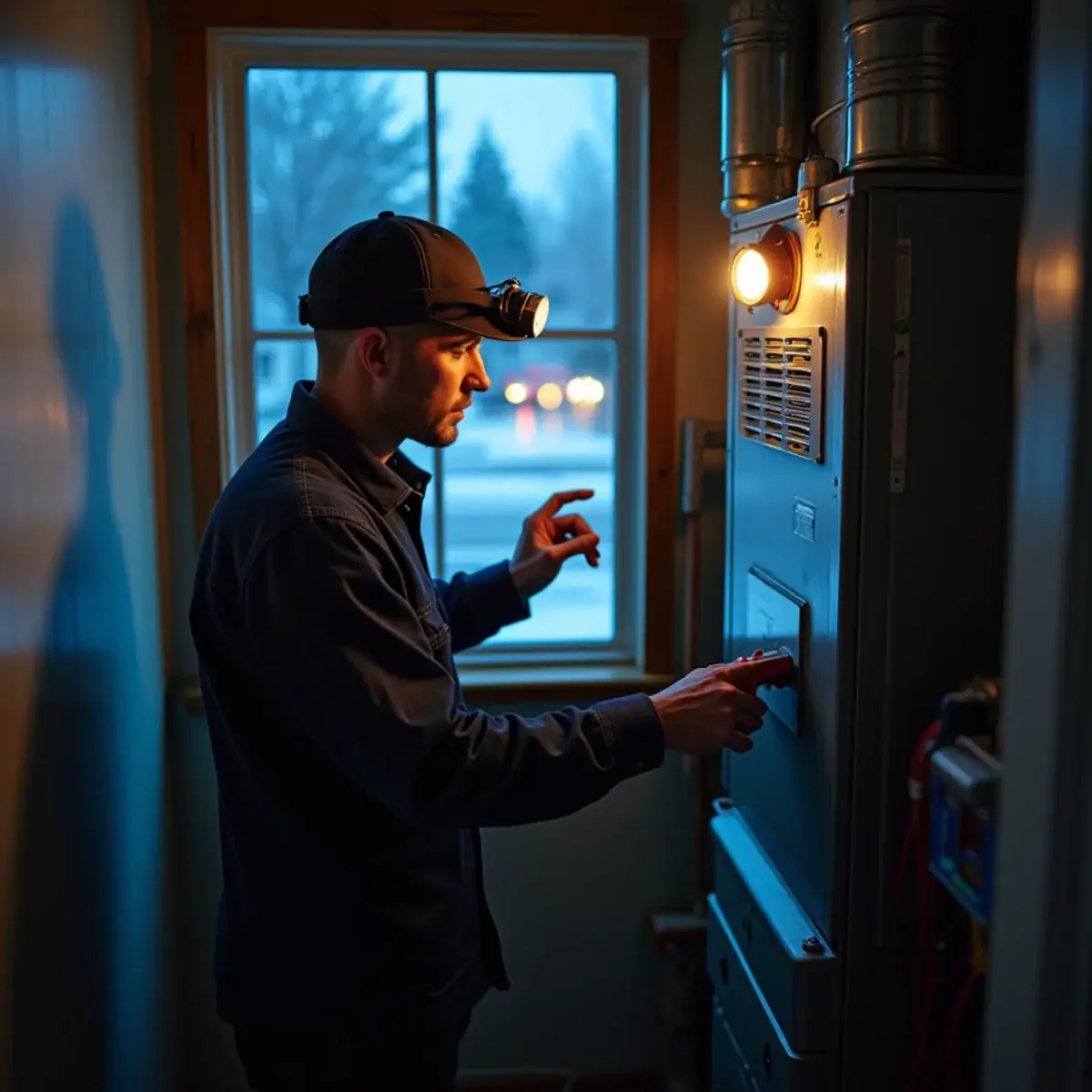
Heating systems love to fail on the coldest night of the year, during a windstorm, or when a house is full for the holidays. Our emergency HVAC repair in Bremerton, WA service exists for exactly those moments, with same-day visits when the schedule allows and clear triage by phone when it doesn’t.
The first priority is always safety. The second is getting you warm, even if the permanent fix needs a part that won’t arrive until morning. We carry common igniters, flame sensors, capacitors, contactors and blower motors, so many repairs finish on the first visit.
Before you call, the checklist in our post on what to check when you have no heat in Bremerton can save you a service fee. If it’s a simple tripped breaker or dead thermostat battery, you’ll be warm in minutes.
Reviewed · regional price ranges and rebate details are rechecked at each update.
Problems that need urgent attention
Call right away for any of these:
No heat with freezing temperatures
Especially with infants, elderly residents or anyone with health conditions in the home. Our no heat repair service covers this in depth.
Burning or electrical smell
Shut the system off at the thermostat and the breaker before calling.
CO detector alarm
Get everyone outside and call 911 first, then call us.
Water pouring from equipment
A blocked condensate line or failed coil can flood a ceiling or crawl space quickly.
Blower won’t run or runs nonstop
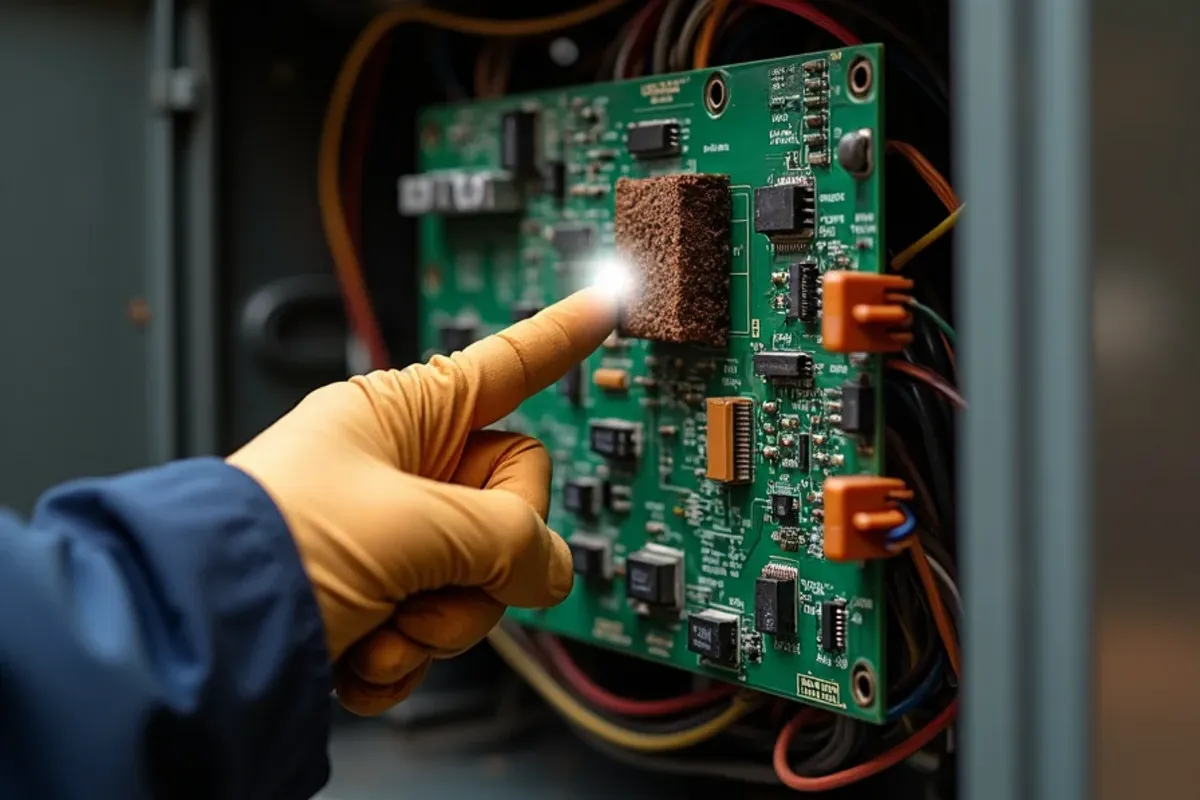
Often a failed motor, capacitor or control board, and a common cause of overheating.
What an emergency HVAC call includes
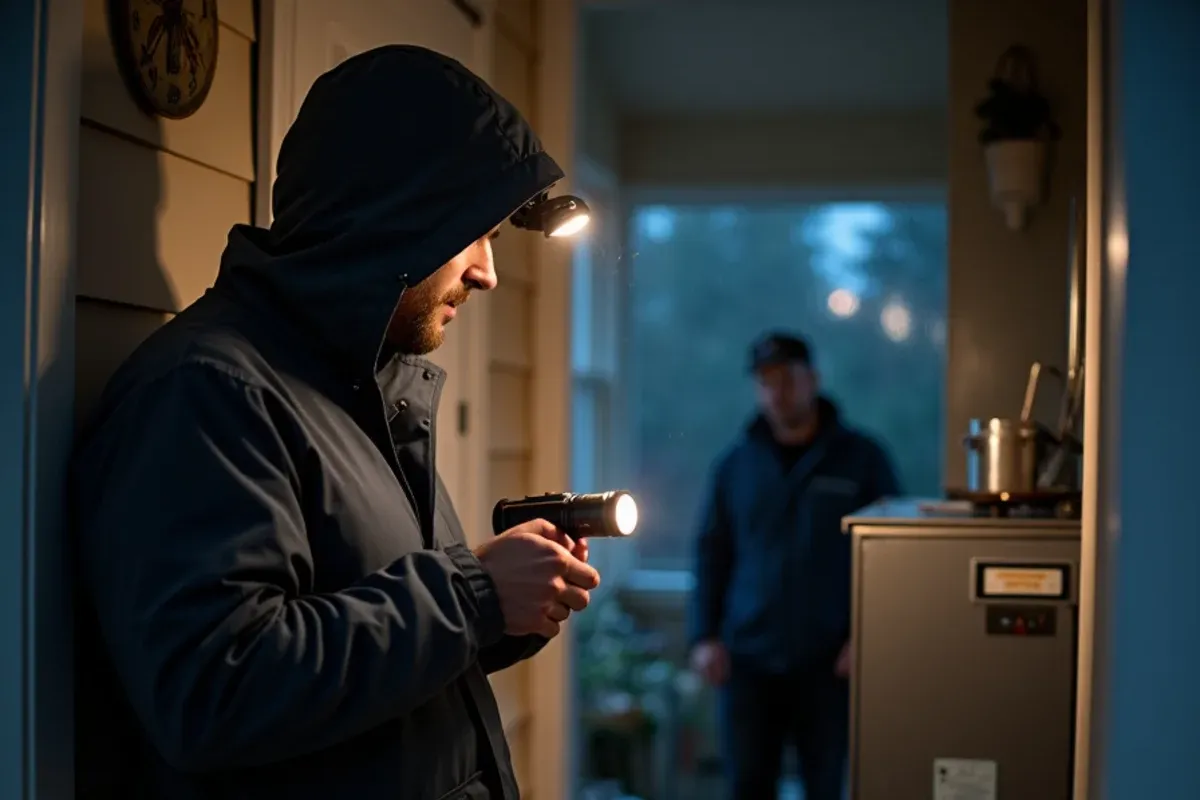
An urgent visit has one job: make the house safe, then get it working. Here is what you get from the call through the paperwork:
Phone triage with safety instructions
We ask about smells, alarms, breakers and who is in the house, and tell you what to switch off before anyone arrives.
Hazard sweep on arrival
Gas leak detector along the appliance connector, a CO reading near the equipment, and a look for scorched wiring before any panel comes off.
Tested diagnosis
Meter readings on the suspect part, so the failure is proven rather than guessed at by swapping components.
Repair from truck stock
Igniters, flame sensors, capacitors, contactors, pressure switches and common motors are fitted on the spot when they are the cause.
A named stabilization plan
If a part has to be ordered, the temporary step (backup heat strips, a bypassed accessory, or a safe partial restart) is explained and priced on its own line.
Photos and a written summary
The failed part, the readings and what still needs doing, so the follow-up visit or your landlord sees the same facts.
What happens when you call
Emergency visits follow a tight, safety-first sequence:
- 1
Phone triage
We ask what you’re seeing and walk you through safety steps and simple checks.
- 2
Scheduling
Dispatch is prioritized by risk: CO, gas and vulnerable occupants first.
- 3
Safety check on arrival
Gas, CO and electrical hazards are checked before any troubleshooting.
- 4
Diagnosis
We test components systematically instead of swapping parts until something works.
- 5
Repair or temporary fix
Most common failures are fixed on the spot. If a part must be ordered, we look for a safe way to restore some heat.
What affects emergency repair cost
Published furnace repair costs in the area range roughly $150–$700, with emergency and after-hours visits often priced higher. The main factors are:
- Time of call
- Nights, weekends and holidays usually cost more than scheduled weekday visits.
- The failed part
- An igniter or capacitor is modest; a blower motor or control board costs more.
- Equipment access
- Crawl space and attic units take longer to reach safely.
- Diagnostic complexity
- Intermittent faults and control problems need more testing time.
- Parts availability
- Uncommon parts may require a second trip.
These are regional ranges, not our prices. We tell you the visit fee before dispatch and give you a firm repair quote after diagnosis, and a final price always requires seeing the equipment.
What counts as an HVAC emergency
Some failures truly can’t wait. Others feel urgent but can safely hold until morning. A system that’s running but noisy, a single cold room, or a heat pump that’s simply slow to warm up during an Arctic snap are usually next-day problems.
The real emergencies involve danger or harm: gas smells, CO alarms, burning odors, no heat in a freeze with vulnerable people at home, or water damaging the house. If the furnace itself is the culprit, our furnace repair page explains the most common failures; for heat pumps, see heat pump repair.
The gray zone is where most after-hours money gets spent. A condensate safety switch that shut the system down has done its job: mop up, leave it off, and call in the morning unless the house is heading toward freezing. A furnace that locked out once and now heats normally can wait for a daytime visit. A breaker that trips twice is different; leave it off until the equipment is tested.
A quick test: if switching something off makes the house safe, and nobody inside is at risk from a cold night, it can usually wait for regular weekday rates.
Safety first steps before we arrive
If you smell gas, do not touch switches or thermostats. Leave the house, then call 911 or your gas utility’s emergency line from outside. Our guide on what to do if you smell gas near a furnace or fireplace covers the details. Never ignore a CO alarm.
- Burning smell: turn the system off at the breaker
- Water leak: shut off the system and contain the water
- No heat: check the thermostat, breaker, furnace switch and filter
- After an outage: wait a few minutes before restarting equipment
Windstorms, outages and cold snaps across Kitsap
Winter windstorms knock out power for hours or days across Kitsap County, and power surges when service returns can damage control boards. Never backfeed a generator through a dryer outlet. Improper generator hookups endanger utility crews and can damage equipment.
Homes up around Erlands Point and Kitsap Lake often lose power first and longest, while Port Orchard sees similar outages across the inlet. Calls surge during these events, so we prioritize by risk.
Before you authorize after-hours HVAC work: five questions to ask
Late at night, homeowners feel the most pressure and have the least time to compare. These questions keep an emergency visit from becoming an unplanned replacement:
- What does the after-hours fee cover? Ask whether it includes diagnosis, and get the figure before dispatch.
- Is tonight’s work stabilization or the permanent repair? A temporary fix can be the right call, but it should be named and priced on its own line.
- What failed, and how was it confirmed? You should hear the component and the reading behind it.
- Can replacement wait for daylight? Unless a safety condition leaves no alternative, approve diagnosis and stabilization tonight and compare HVAC replacement options in writing later.
- Does the invoice name match a Washington registration? Storm nights bring out-of-area crews; check the name on Washington L&I’s contractor lookup before you pay.
Rentals and condos: who can approve emergency HVAC work
In Downtown Bremerton apartments near the Boardwalk and older duplexes around Navy Yard City and Charleston, the person without heat often isn’t the one who pays. Tenants should reach the landlord or manager first, unless there’s a gas smell, CO alarm or burning odor; those mean getting out and calling 911.
Owners save a night of phone tag by leaving tenants standing instructions: who to call, a spending limit for stabilization, and where the equipment and breaker panel are.
Why Kitsap households call us for emergency HVAC repair
Late-night decisions are where homeowners get oversold. We run urgent calls so that doesn’t happen:
Risk decides the order
Gas, CO, burning odors and cold-sensitive occupants come first, and we say plainly when a problem can safely wait for a weekday rate.
Diagnosis before any replacement talk
A dead capacitor at midnight is a capacitor. Replacement is only discussed with test results in hand, and in daylight when possible.
Gas appliances and HVAC under one roof
If the trouble is a leaking connector, a water heater problem or the furnace itself, the same tech can deal with it instead of sending you to a second trade.
Evidence you can hand on
Dated photos and readings from the night go into your record for the permanent repair, a warranty claim or a property manager.
Storm-season know-how
Surge-damaged boards, tripped limit switches and heat pumps stuck in lockout after an outage are familiar patterns on the peninsula.
FAQ
Emergency HVAC Repair questions from Bremerton homeowners
Do you offer same-day emergency service?
We aim for same-day visits whenever the schedule allows, and we prioritize safety issues and households with vulnerable occupants. During widespread events like windstorms or Arctic outbreaks, call volume spikes, and we’ll give you a realistic arrival window when you call rather than a promise we can’t keep.
What should I do if I smell gas near my furnace?
Leave the house immediately and do not flip switches, use the thermostat or light anything. Once outside and away from the building, call 911 or your gas utility’s emergency line (Cascade Natural Gas in most of Kitsap County). Do not go back inside until the utility or fire department clears it. After it’s safe, we can repair the equipment involved.
Is no heat an emergency?
It depends on conditions. With temperatures near or below freezing, infants, older adults or medically fragile people in the home, or risk of frozen pipes, treat it as urgent. On a mild day with healthy adults, it can often wait for the next available appointment. Space heaters can bridge the gap if used safely.
Can you fix it on the first visit?
Often, yes. Our trucks carry the parts that fail most on Kitsap systems: igniters, flame sensors, capacitors, contactors, pressure switches and common blower motors. Brand-specific control boards or less common parts may need ordering. When that happens, we look for a safe temporary way to restore some heat.
Will you replace my furnace or heat pump in the middle of the night?
Rarely, and only when safety leaves no other option. At night the goal is to make the house safe and restore some heat through a repair, backup heat strips or a temporary fix. A replacement deserves a load calculation, a written scope and time to compare options, so that conversation belongs in daylight. If anyone pushes replacement before explaining what failed and how it was tested, ask for it in writing.
Is a broken air conditioner an emergency during a heat wave?
It can be. During the June 2021 heat dome, indoor temperatures in Puget Sound homes climbed to dangerous levels. If someone in the house is elderly, an infant, pregnant or has a heart or breathing condition, treat a failed AC in extreme heat as urgent. Otherwise, close blinds, run fans, move to the coolest room or a cooling center, and book the first regular opening.
How do I keep the house safe and warm while I wait for a technician?
Close off unused rooms and gather everyone in one space. Use electric space heaters with tip-over shutoff, plugged directly into the wall and kept three feet from bedding and curtains. Never heat with a gas oven, grill or camp stove indoors. Open cabinet doors under sinks on outside walls and let a faucet drip if temperatures are near freezing.
Urgent heating and cooling help around Bremerton and beyond
Windstorms hit hardest where trees line the roads. Tracyton and Enetai along the water lose power often, and the restart after an outage is when surge-damaged boards show up. Older crawl space furnaces in Chico tend to quit on the first cold night of the season.
North of town, Silverdale heat pumps can lock out after long outages. Across the Mason County line, outages around Belfair can run long, so we ask about backup heat and pipes before we head out.
We provide emergency hvac repair across Bremerton and nearby communities, including:
- Emergency HVAC Repair in Kitsap County
- Emergency HVAC Repair in Port Orchard
- Emergency HVAC Repair in Silverdale
- Emergency HVAC Repair in Chico
- Emergency HVAC Repair in Erlands Point-Kitsap Lake
- Emergency HVAC Repair in Navy Yard City
- Emergency HVAC Repair in Rocky Point
- Emergency HVAC Repair in Tracyton
- Emergency HVAC Repair in Enetai
- Emergency HVAC Repair in East Port Orchard