Short answer
Mini split cost in Washington depends mostly on zone count. A single-zone system for one room is the smallest job, while a whole-home multi-zone setup can approach ducted heat pump territory, roughly $9,500–$16,500 as a regional planning range. Line-set length, electrical capacity, head style and permits move the final number.
Ask five contractors about mini split cost in Washington and you’ll hear five different answers, all of them technically true. A single wall unit in a bonus room is a small job. Heating and cooling a whole two-story house with four or five indoor heads is a project on the scale of a ducted heat pump.
Rather than throw out one number that fits nobody, here’s what drives ductless pricing on the Kitsap Peninsula, with regional ranges where they genuinely apply. For how we design and install these systems, see our ductless mini-split installation page.
The biggest factor: how many zones
Every indoor head is a zone, and every zone adds equipment, a line set, a condensate route, wall penetrations and labor. The number of rooms you want to condition decides more of the price than the brand or efficiency rating.
Single-zone systems
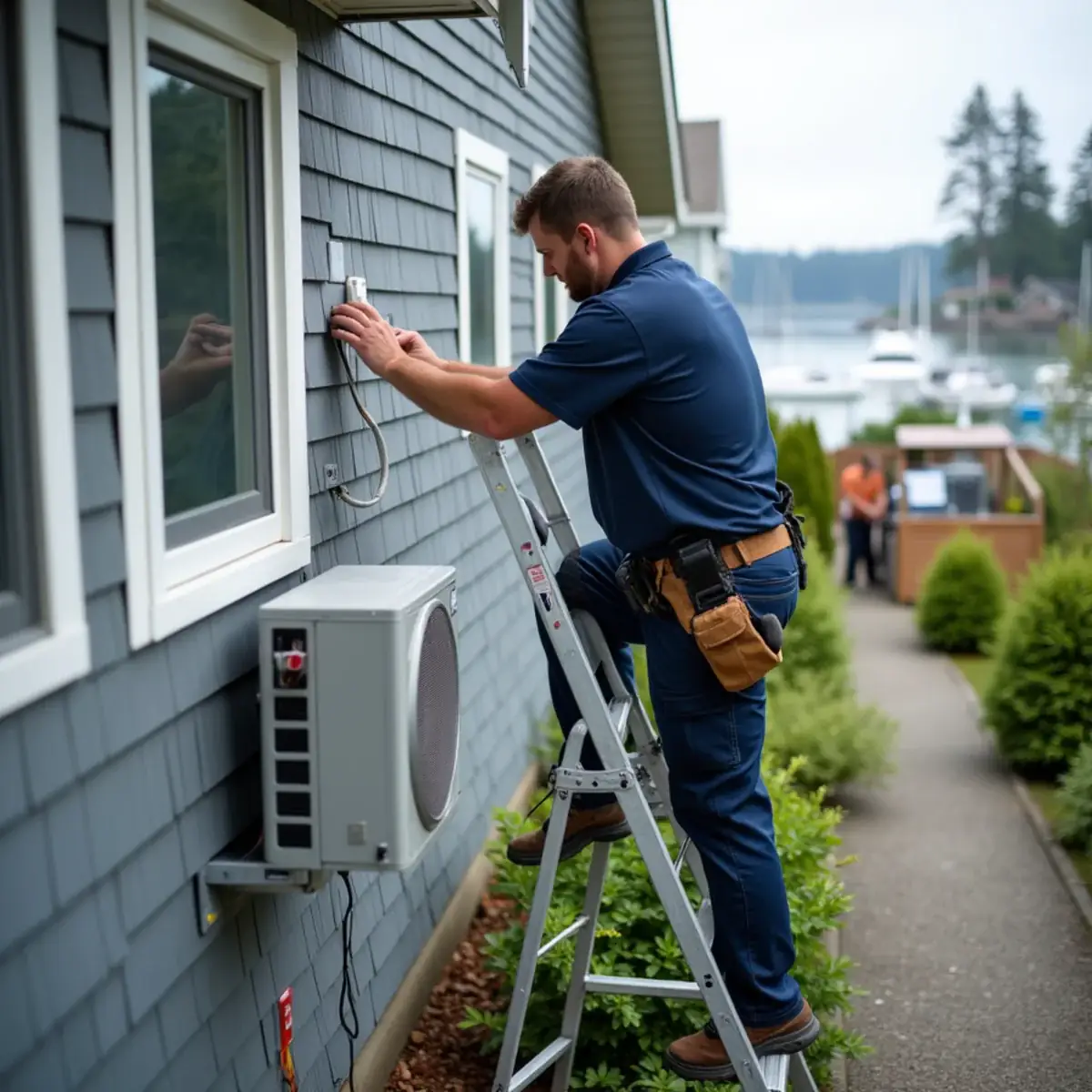
One outdoor unit paired to one indoor head. These are the least expensive option and often the most efficient per ton, because the outdoor unit is matched exactly to one room’s load. They’re ideal for a garage conversion, a bonus room over the garage or a single open living area.
Multi-zone systems
One larger outdoor unit serving two to five indoor heads. It saves wall space and outdoor clutter, but the equipment costs more and loses some efficiency when only one small room is calling for heat. A whole-home multi-zone system can land in the same territory as a ducted heat pump, which regional figures put at roughly $9,500–$13,500 for standard equipment and $12,500–$16,500 for cold-climate models. Treat those as planning ranges only.
Other factors that shape mini split cost in Washington
Beyond zone count, these line items move a quote the most:
- Indoor head style. Wall-mounted heads cost the least. Ceiling cassettes and slim ducted air handlers blend in better but need more framing, drain work and labor.
- Line-set length and routing. Equipment often includes a set length of refrigerant charge. Longer runs need extra refrigerant weighed in, plus more copper, insulation and exterior line-set covers.
- Electrical capacity. Each outdoor unit needs a dedicated 240-volt circuit and a disconnect. Older Kitsap homes with full 100-amp panels may need a panel upgrade, which runs $1,200–$3,000 regionally.
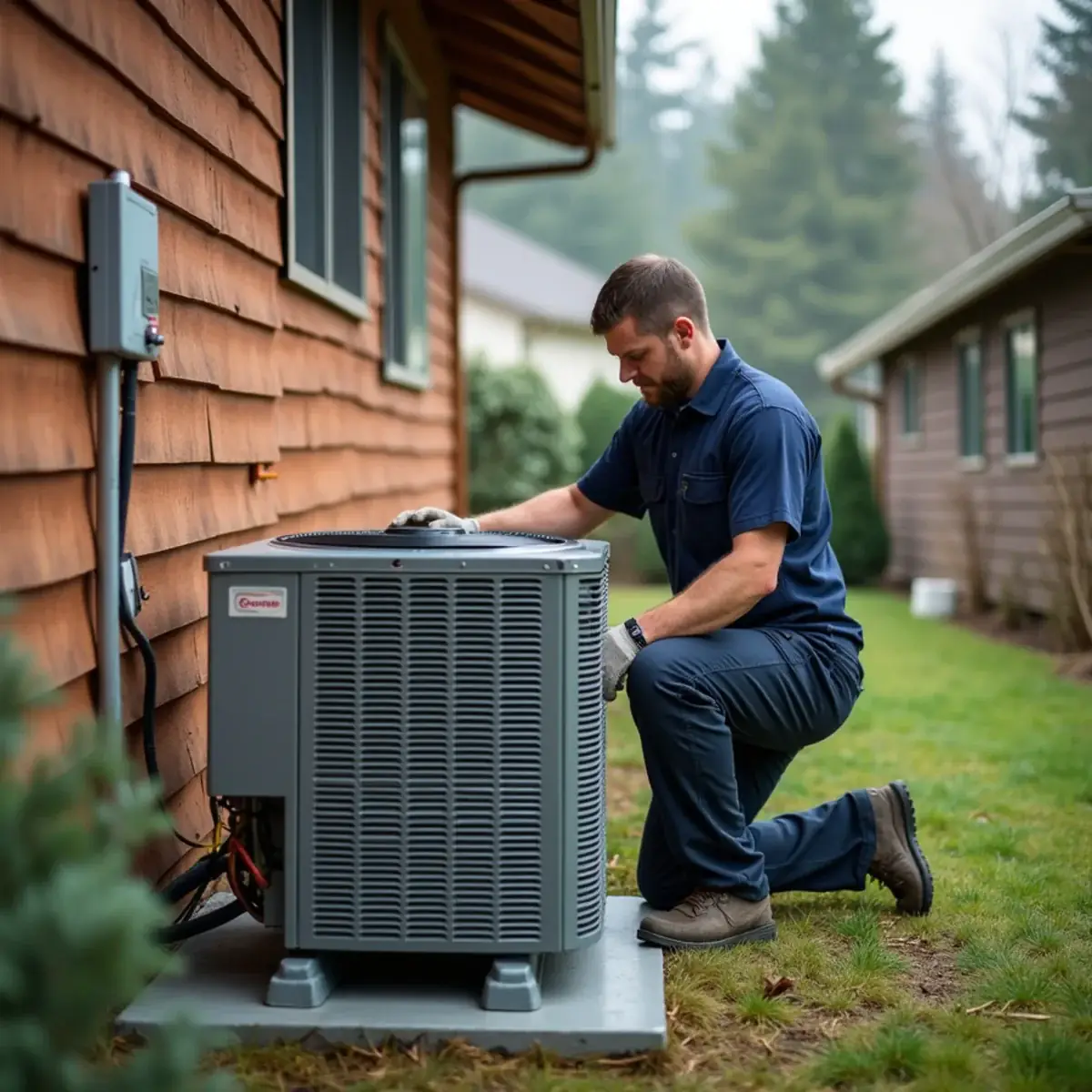
- Mounting. Ground stands, wall brackets and roof mounts each have tradeoffs. We keep outdoor units up out of rain splash, away from roof drip lines and clear of the occasional snowfall.
- Condensate. Gravity drains are simple. Interior walls often need a small condensate pump, which adds cost and a part to maintain.
- Cold-climate rating. Models that hold their heating capacity into the teens cost more, and they’re often worth it for homes that rely on ductless as the only heat.
Local scenarios we see often
In Poulsbo, a typical request is a finished room over the garage that swings from chilly in January to stuffy in August. The main furnace ducts barely reach it. A single-zone head solves both problems and is one of the more budget-friendly ductless jobs.
In Gig Harbor, view homes with tall west-facing glass often want cooling in the main living space and a couple of bedrooms. Split-level layouts and long runs from the outdoor unit around to the water side push line-set lengths up, and the finished look of the line-set covers matters to the owner.
One multi-zone or several single-zones?
Two or three single-zone systems can cost a bit more up front than one multi-zone, but they run more efficiently, each room gets its own right-sized compressor, and a failure only takes out one area. A multi-zone keeps the exterior tidier with one outdoor unit. For homes that will rely on ductless as the only heat, we usually lean toward redundancy.
A Manual J load calculation, done room by room, is what tells us which approach fits. Oversized heads short cycle, leave rooms clammy and wear out faster.
What lowers the real cost
Two things can shift the math. Replacing electric baseboard or wall heaters with a heat pump often qualifies for utility incentives, and the monthly savings on heating can be substantial. Our overview of heat pump installation options explains when a ducted system makes more sense.
Some homeowners also buy their own equipment online and hire only the installation. That can work, with caveats about warranty, sizing and refrigerant charge that we cover in our post on customer-supplied mini-split installs.
Before counting on an incentive, confirm it for the exact pairing on your quote. Programs look at the matched rating of the outdoor unit and indoor heads together, so swapping a wall head for a ceiling cassette late in planning can change what qualifies. Check PSE’s current rebate list the week you sign, and have the incentive shown below the installed price rather than netted into it. Our Kitsap heat pump rebate guide covers paperwork.
Comparing ductless bids line by line
Two ductless quotes for the same house can sit thousands apart and both be honest. Get three written bids for a multi-zone project and make sure each answers the same questions. If the heads will replace baseboards, our guide to replacing baseboard heat with ductless in older Bremerton homes shows what else belongs in scope.
- Model numbers for every head and the outdoor unit, plus cold-temperature heating capacity.
- Line-set footage included in the price, and the per-foot charge if a run grows during installation.
- Electrical scope spelled out: dedicated 240-volt circuit, disconnect and any panel work.
- Condensate route and discharge point for each head; a line dumping into the crawl space adds moisture under the house.
- Nitrogen pressure test, deep vacuum and startup readings by an EPA Section 608 certified technician.
- Permits, plus a payment schedule tied to delivery, installation, inspection and closeout.
From the field
From the field: what the site walk adds to a ductless price
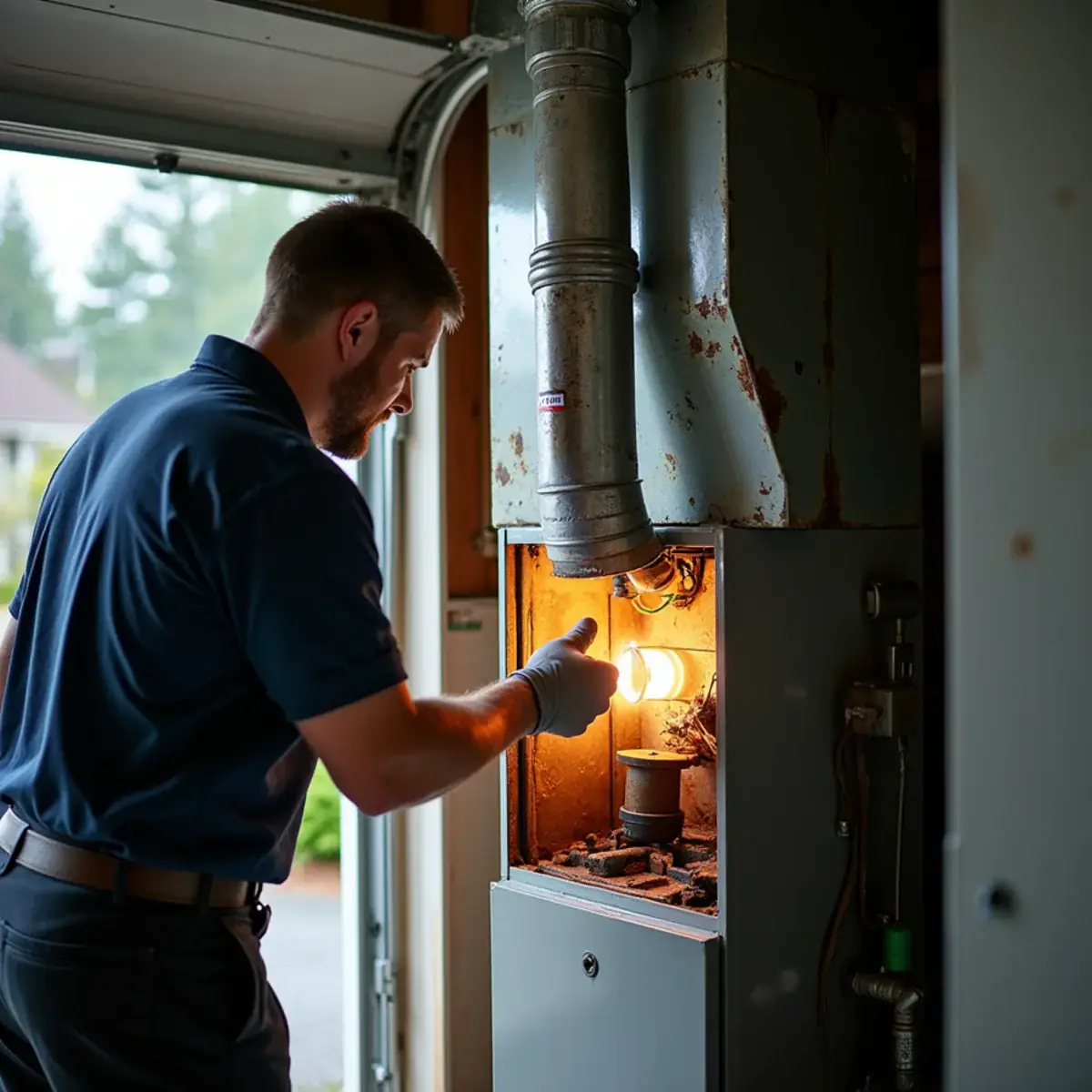
Most of the swing in a ductless price shows up during the walk-through, not on the spec sheet. We look at the wall where each head will hang. Plaster and lath in an older house, a brick chimney in the path, or a head on an interior wall with no straight route outside all add labor. Interior heads usually need a condensate pump, which is one more part to service.
Then the panel. Open breaker slots don’t prove capacity, so we run a load calculation on the electrical service before promising a new circuit. Outdoor placement comes next: on a shoreline lot we raise the unit on a stand, keep it out from under drip lines and sometimes price a coated coil, which our salt air corrosion guide explains in depth.
The mistake we see most is quoting by room count instead of load. One hallway head is cheaper, but bedrooms with doors closed at night stay cold in winter and stuffy in August. The opposite error is a head in every small room, each one oversized for its space. If cooling is the main reason you’re calling, read whether Kitsap homes really need AC first. Budget for upkeep too: filter rinsing and a yearly coil cleaning, covered in our Western Washington heat pump maintenance guide.
FAQ
Quick answers
Is a mini-split cheaper than central air or a ducted heat pump?
For one to three rooms, usually yes. For a whole house that already has good ductwork, a ducted system is often less expensive and simpler to maintain. The crossover depends on how many heads you need, the condition of existing ducts, and whether your electrical panel has room. A site visit with a load calculation will show which option costs less for your house.
Do mini-splits need a permit in Kitsap County?
Yes. Ductless installs typically require a mechanical permit from the city or county and an electrical permit for the new circuit. Permit fees are a small part of the total, but inspections verify the wiring, disconnect and installation. A quote that leaves permits out is not a real comparison with one that includes them.
How long does a mini-split installation take?
A single-zone system usually takes one day. Multi-zone systems or several single-zone units take two to three days, depending on line-set routing, electrical work and whether ceiling or ducted heads need framing. Inspections are scheduled separately, so the project may stretch across a week or two on the calendar.
Should I pay the full price up front for a mini-split install?
No. A reasonable deposit to order equipment is common, but the balance should follow the work: a payment when the heads and outdoor unit are set, another after startup testing, and the final amount once the permit inspection passes. Paying in full before the vacuum and charge are verified removes your leverage. Get the schedule in writing as part of the quote.
How much does it cost to run a mini-split in Washington?
It depends on your electric rate, how cold the winter runs and how many hours the heads work. In our mild winters a mini-split typically delivers two to three units of heat for each unit of electricity, so heating the same room costs a fraction of what baseboard heaters use. Check the per-kilowatt-hour rate on your utility bill and compare it with last winter’s usage for a realistic estimate.
The bottom line
Ductless pricing makes sense once you break it into parts: zones, head styles, line-set runs, electrical and mounting. Knowing those pieces lets you compare quotes line by line instead of wondering why two numbers are thousands apart.
The most useful next step is a room-by-room sizing visit. With that in hand, you’ll know exactly how many heads you need and what a fair price looks like for your home.
Sources & official references
- Puget Sound Energy: rebates for heat pumps and ductless systems
- EPA Section 608: refrigerant handling and technician certification
- ENERGY STAR: ductless heat pump efficiency information
- Washington L&I: contractor registration lookup
Programs, rules and fees change. Confirm current details with the source before you act.