Short answer
A furnace blowing cold air usually has the thermostat fan set to On, a clogged filter tripping the high-limit switch, a dirty flame sensor, or a blocked condensate drain or vent on a high-efficiency model. In many Kitsap homes, a loose crawl space duct can also leave one room with cool air while the furnace runs normally.
A furnace blowing cold air on a wet February morning is one of the most common calls we get. Sometimes nothing is wrong at all. More often the furnace is protecting itself from a problem, like a clogged filter or a dirty flame sensor, by shutting the burners off while the blower keeps running.
Here’s how to tell the difference, the usual causes we find in Kitsap homes, and when the fix belongs to a furnace repair technician.
First, is it cold or just not hot yet?
Check the thermostat fan setting. If it says On instead of Auto, the blower runs all the time, including between heating cycles, so you’ll feel room-temperature air for long stretches. Switch it to Auto.
Next, remember the startup sequence. A modern gas furnace runs its inducer motor, proves the vent, lights the igniter, opens the gas valve and only then starts the blower. At the end of a cycle, the blower keeps going for a minute or more to pull leftover heat off the heat exchanger. That tail-end air can feel cool.
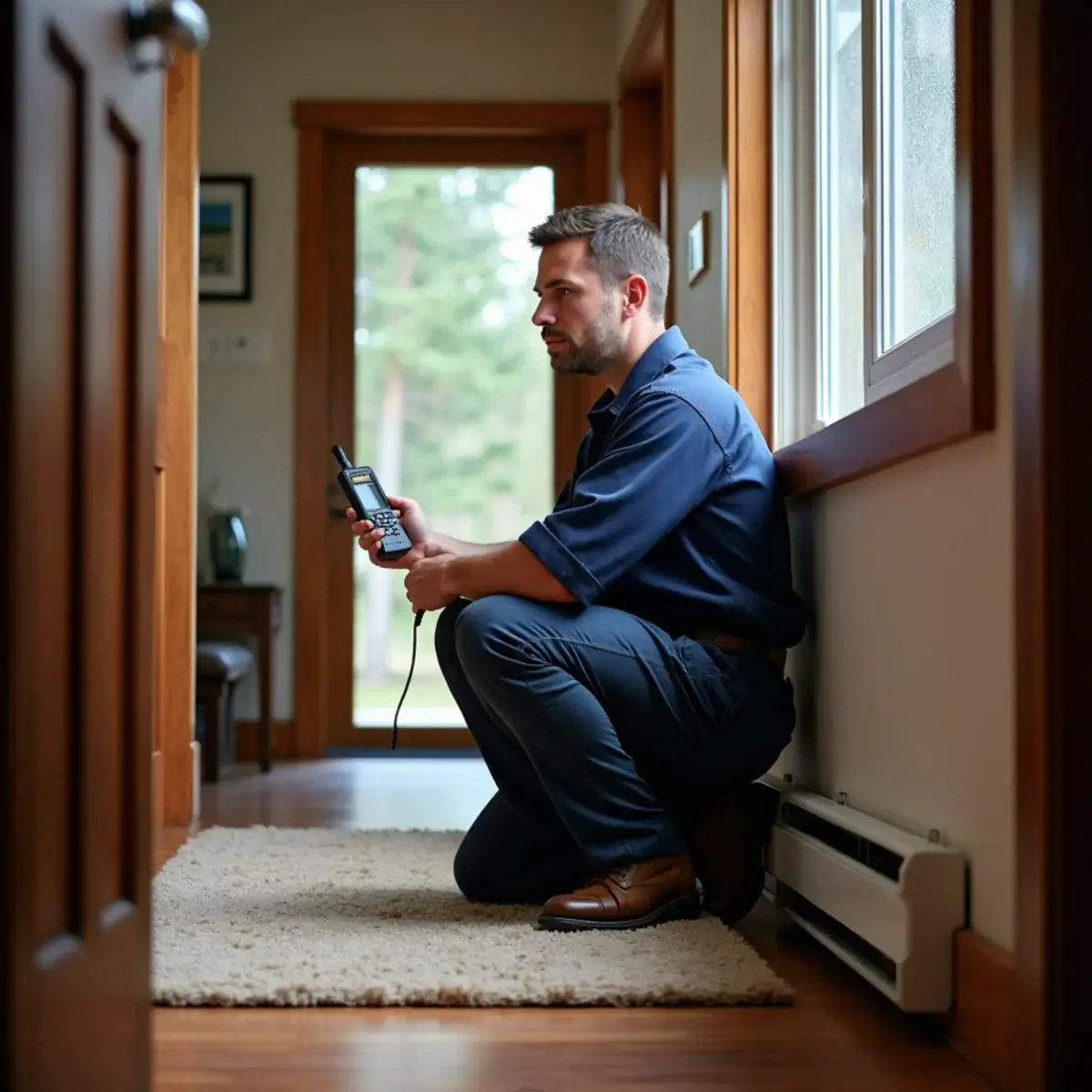
If you want a real answer, hold a kitchen thermometer in a supply register near the furnace after it’s run for five minutes. Most gas furnaces should read somewhere around 100 to 130°F there. The acceptable temperature rise is printed on the furnace’s rating label.
Common reasons for a furnace blowing cold air
When the air really is cold, one of these is usually behind it.
A clogged filter tripping the high-limit switch
A matted filter starves the furnace of airflow. The heat exchanger overheats, the limit switch shuts the burners off, and the blower keeps pushing unheated air until things cool down. Then the cycle repeats. Replace the filter first. It’s the cheapest fix on this list.
A dirty flame sensor
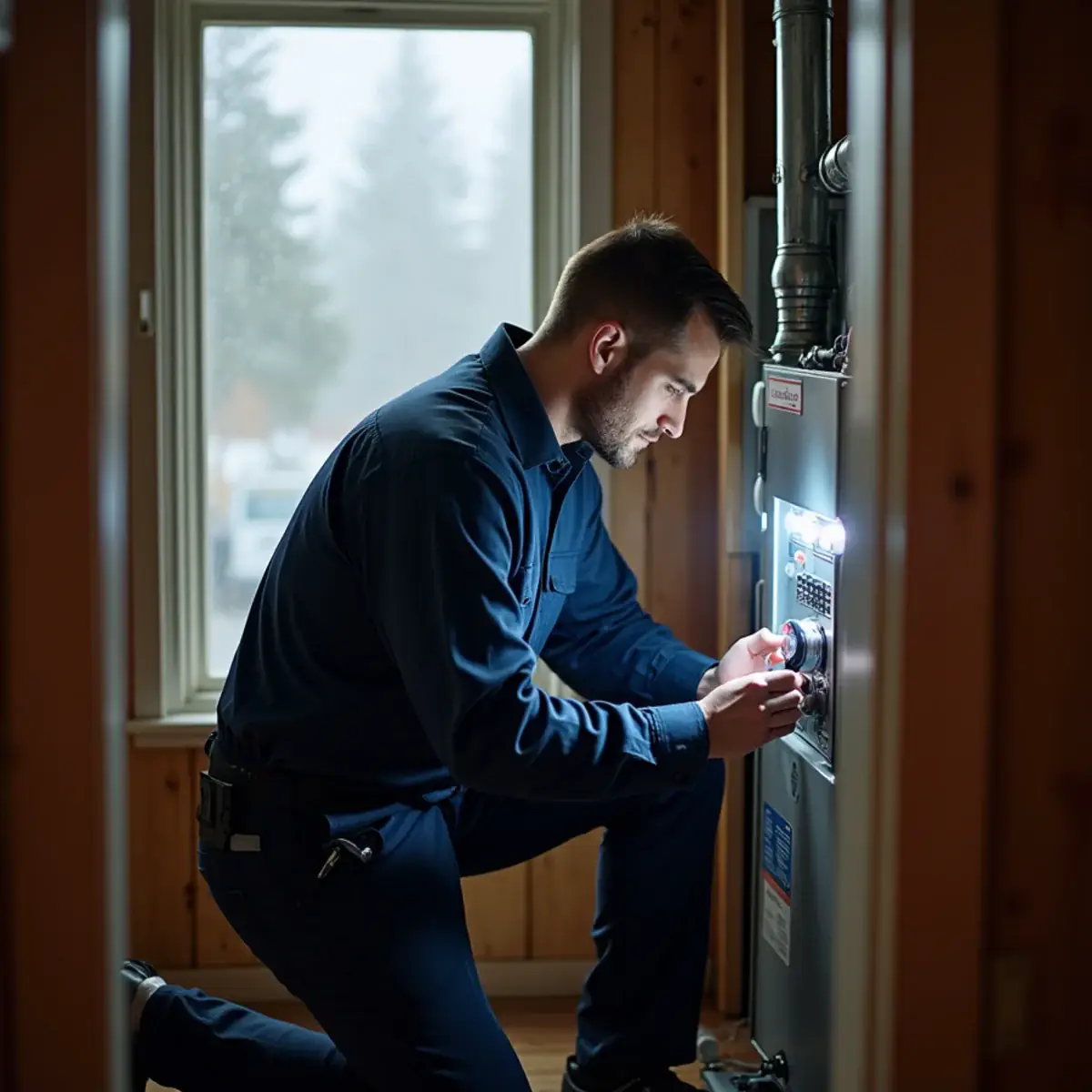
The flame sensor is a thin metal rod that confirms the burners lit. When it’s coated with residue, the furnace lights, can’t prove flame, and shuts the gas off within seconds. After a few tries it locks out. Cleaning or replacing the sensor is a quick repair for a technician.
Condensate or venting problems on 90%-plus furnaces
High-efficiency furnaces make water. If the condensate trap clogs or the drain freezes, water backs up and the pressure switch won’t close, so the burners never light even though the blower may run. Leaves or nests in the PVC vent pipes outside cause the same symptom.
A tripped rollout switch
Rollout switches trip when flame escapes the burner area, often because of a blocked flue or a damaged heat exchanger. Some have a small reset button. Don’t keep pressing it. A rollout trip is a warning, and it needs a technician to find out why.
Duct problems hiding in the crawl space
Plenty of Kitsap homes run their ductwork through a damp, vented crawl space. When a flex duct slips off its collar, gets crushed or is chewed through by rodents, heated air dumps under the house and the register upstairs gets a trickle of lukewarm air.
A common call from Poulsbo in winter: one bedroom at the end of the house blows cool air while the rest of the home is fine. The furnace checks out, and the fix is under the floor, where a supply run has pulled loose and has been heating the crawl space for months.
Moisture makes these failures worse. In a crawl space that stays damp through most of the rainy season, foil tape lets go, duct insulation soaks up water and sags, and metal collars corrode where they meet the plenum. Air that does reach the rooms has shed heat on the way, so the furnace runs longer to reach the setpoint.
When a technician is under the house, ask them to note torn vapor barrier, standing water and any musty smell at the registers, not just the duct connections. If mold or debris has gotten into the runs, our guide to damp crawl spaces and duct cleaning explains when cleaning helps and when resealing or replacing the duct is the better fix.
Heat pumps and dual-fuel systems feel different
If your furnace is paired with a heat pump, the air may simply feel cooler than you’re used to. A heat pump delivers air around 90 to 100°F, which is warm but not hot to the touch. During a defrost cycle, the furnace should fire to temper the air. If you get a blast of cold air every time the outdoor unit defrosts, the controls or wiring may need attention.
What you can safely check before calling
Stick to these steps and leave burners, gas valves and wiring alone:
- Set the fan to Auto and the mode to Heat.
- Replace the filter and make sure it’s facing the right way.
- Confirm the furnace gas valve handle and the service switch are on.
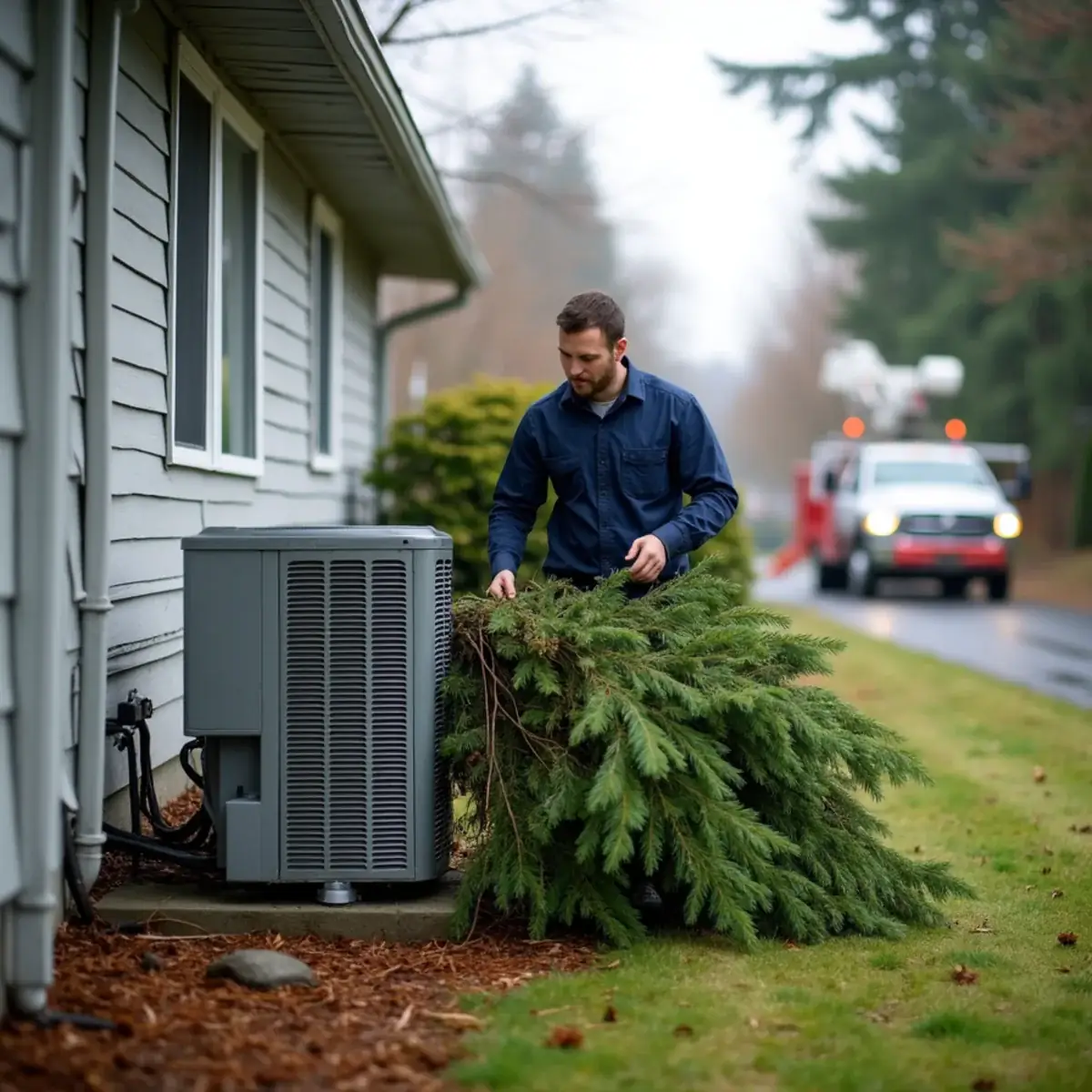
- Clear the outdoor PVC vent pipes on a high-efficiency furnace.
- Count the status light blinks and note the code.
From the field
Temperature rise and static pressure: how techs pin down cold air
The first real number on a cold-air call is temperature rise: supply air temperature minus return air temperature, measured with probes in the ductwork after the burners have run steadily. The furnace rating label lists the acceptable range. A rise below it with the burners lit points toward underfiring, such as low gas pressure at the manifold. A rise above it means too little air is moving, and that furnace will keep tripping its high-limit switch and blowing cool air between trips.
When the rise runs high, the next test is total external static pressure, read with a manometer across the furnace. High readings send us looking at the filter, the ductwork and the indoor coil sitting on top of the furnace. Homes that added air conditioning or a heat pump years later often have a coil caked with dust on the side nobody can see, and it chokes the furnace just like a dirty filter.
- Closing registers in unused rooms raises static pressure and can cause the very cold-air cycling it was meant to fix.
- Crawl space runs that shed insulation or collect debris may need duct cleaning and repair before the numbers come back into range.
- A common call from Chico is a long rambler where the far bedroom register reads well below the one nearest the furnace, which is a duct and airflow problem, not a burner problem.
- If you are weighing a new system after repeat failures, our comparison of a heat pump versus a gas furnace in the Pacific Northwest covers the tradeoffs.
FAQ
Quick answers
Can I clean the flame sensor myself?
It’s possible, but we don’t recommend it for most homeowners. It means shutting off power and gas, removing the sensor, cleaning it gently and reinstalling it correctly. A cracked porcelain insulator or a poor ground connection can create a new problem. If your furnace is locking out repeatedly, a technician can confirm the real cause while they’re there.
Why does my furnace blow cold air only at the start of a cycle?
Some furnaces start the blower soon after the burners light, so the first few seconds push cooler air that was sitting in the ducts. Ducts running through a cold crawl space make this more noticeable. If it lasts more than a minute or two, have the blower delay settings and duct connections checked.
How much does it cost to fix a furnace blowing cold air?
It depends on the cause. A new filter costs a few dollars, while a flame sensor, pressure switch, drain repair or crawl space duct reconnect needs a service call. One published local range for furnace repair runs about $150 to $700, with tune-ups around $80 to $200. Treat those as directional figures, not quotes, and ask whether the price covers diagnosis, parts, labor and a test of the full heating cycle.
What should I do if my older furnace’s pilot light is out?
Older furnaces with a standing pilot have relighting steps printed on a label inside the door. Follow them exactly, and never relight if you smell gas; leave and call from outside instead. If the pilot lights but goes out when you release the knob, the thermocouple has likely failed. A pilot that keeps going out, or a yellow, lazy flame, needs a technician rather than repeated relighting.
The bottom line
A furnace blowing cold air is usually telling you something specific: not enough airflow, no proof of flame, a blocked drain or a leak in the ductwork. Start with the filter and the thermostat, then let the blink code point the way.
If you’re in Port Orchard or anywhere nearby and the cool air keeps coming, a diagnostic visit will find it. Regular furnace maintenance also catches dirty flame sensors and sludgy condensate traps before they leave you cold. If your furnace is old and the problems keep stacking up, our guide on whether to repair or replace a furnace can help you decide.
Sources & official references
- U.S. Department of Energy Energy Saver: furnaces, boilers and duct efficiency
- ENERGY STAR: duct sealing and heating system guidance
Programs, rules and fees change. Confirm current details with the source before you act.