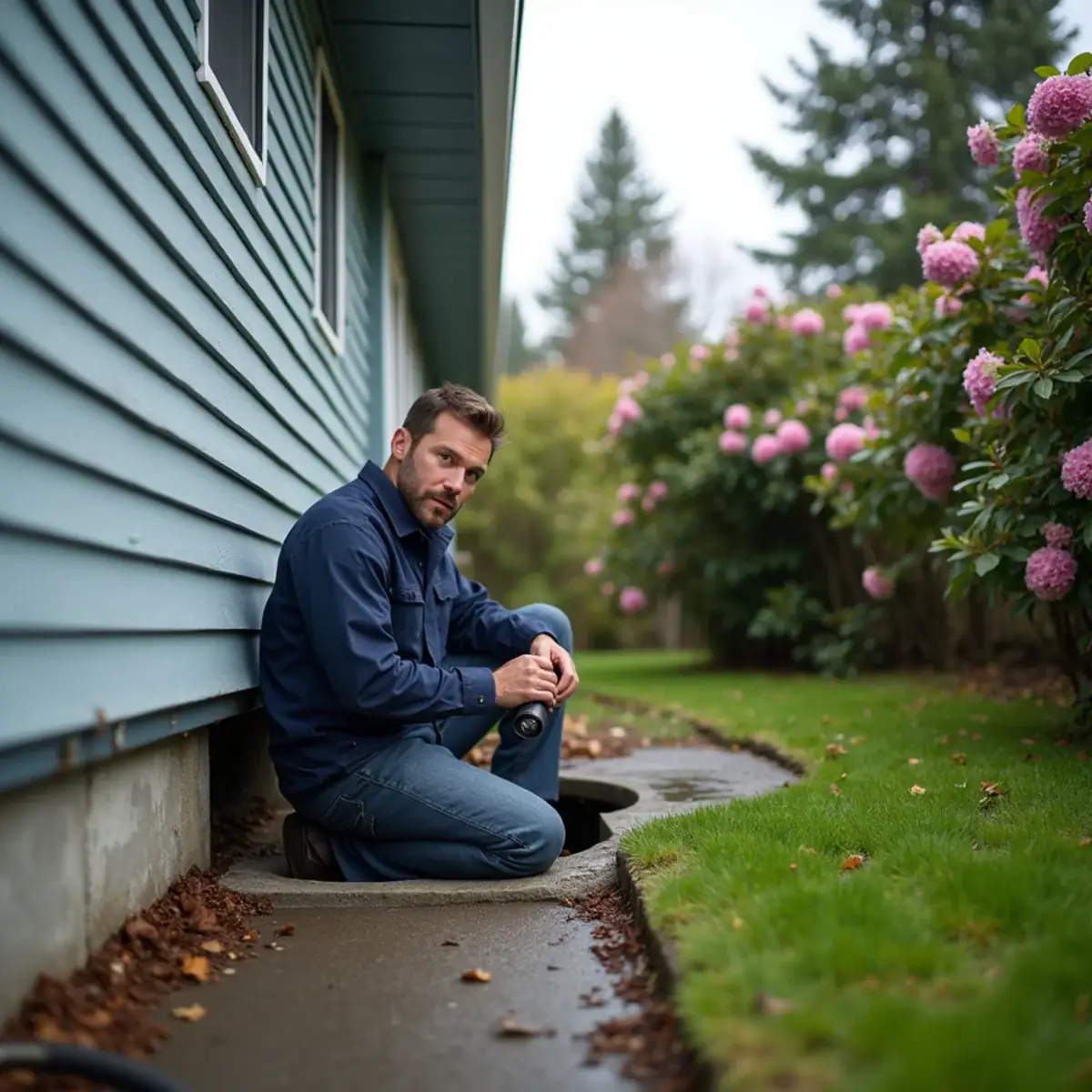
Parkwood is a settled neighborhood on the south side of Sinclair Inlet, east of downtown Port Orchard along the Lund Avenue and Jackson Avenue SE corridors. It’s about 20 minutes from our Bremerton base through Gorst, and plenty of Parkwood residents make the reverse trip daily to the shipyard, some on the Annapolis foot ferry.
We work as an HVAC contractor in Parkwood, WA on a housing stock that mostly went up in one era. That uniformity is useful: once you’ve been under a few of these houses, you know where the trouble hides.
Reviewed · travel, permit and utility details are rechecked at each update.
Why a Parkwood, WA HVAC Contractor Starts Under the House
The typical Parkwood home is a 1960s or 1970s rambler or split-level on a crawl space, originally heated by an electric forced-air furnace. Many have since swapped the furnace for a heat pump. Almost none have replaced the ducts.
Those original ducts were sized for a furnace that pushed hot air at modest volume. A heat pump delivers cooler supply air and needs more airflow per ton, so an undersized return and leaky trunk lines leave back bedrooms cold and make the new equipment work harder than it should.
Some pre-1980 homes also have duct wrap or tape that may contain asbestos. We don’t guess; if something looks suspect we recommend testing before anyone disturbs it.
- Rooms at the far end of the hall that never reach setpoint
- Whistling return grilles or doors that slam when the blower starts
- Dust that returns days after cleaning
- Crushed or disconnected flex runs added during past remodels
What a Typical Parkwood Duct Inspection Turns Up
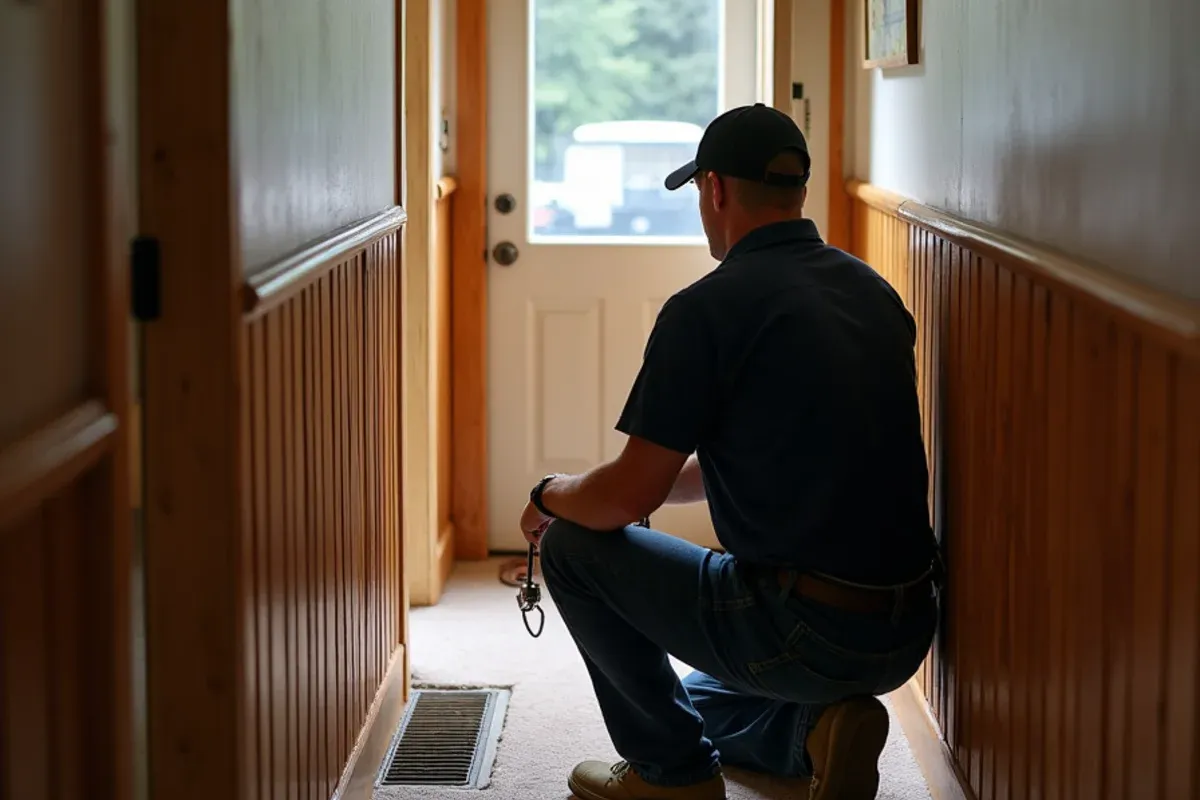
Here’s a common late-fall call from a house off Lund Avenue. The owners installed a heat pump a few years back, the unit itself tests fine, yet the two back bedrooms sit several degrees below the living room and the electric bill hasn’t dropped the way they expected.
We measure static pressure before touching anything. Then we go under the house. The usual findings: a supply run that fell off its boot years ago and has been heating the crawl space, joints sealed with cloth tape that has long since let go, and a single return that is too small for the airflow the heat pump needs.
The fix ranges from sealing and reconnecting runs to a partial redesign following Manual D. Regional planning ranges for duct work run roughly $1,000 to $5,000, but the real number depends on what we find, so we quote only after the crawl space visit.
Parkwood at a glance
From our Bremerton base
About 20 minutes from Bremerton via Gorst, SR-16 and Lund Avenue
Neighborhoods & roads we cover
Lund Avenue SE · Jackson Avenue SE · Beach Drive E · Mile Hill Drive · Retsil
Near
Sinclair Inlet · Annapolis foot-ferry dock · Washington Veterans Home at Retsil · Lund Avenue and Jackson Avenue intersection
ZIP codes
98366
HVAC services we provide in Parkwood
When a Parkwood system is due for replacement, we price equipment and ductwork together so the new unit isn’t choked by 1960s trunk lines.
Electric forced-air homes here are natural heat pump candidates, provided the return air path is sized for heat pump airflow.
Crawl space ducts in older Parkwood homes collect dust and debris; cleaning makes sense after sealing, not as a substitute for it.
Original electric furnaces still run in some homes, and their sequencers and heating elements tend to fail in the first cold week of the season.
Why Parkwood rambler owners call us before buying new equipment
Parkwood’s houses came out of the same era with the same ducts, so the smartest money is often spent under the floor. That shapes how we work here.
We’ll say when the heat pump isn’t the problem
If the outdoor unit tests fine and the back bedrooms are still cold, we tell you so. Replacing good equipment to fix a duct fault only moves the problem to a more expensive box.
Panel checked before heat strips are chosen
Homes built for an electric furnace often have the amperage, but decades of added circuits can leave little room. We read the panel before sizing strips for a heat pump installation, so the backup never trips the main.
Ducts and equipment priced on separate lines
Your written quote splits crawl-space sealing, return work and equipment, so you can do the duct fix first and the replacement later. Our heat pump cost guide shows how those lines usually break down.
A short Gorst run for follow-up visits
After duct work, we come back to recheck static pressure and room temperatures once the weather turns. Neighbors in East Port Orchard and Navy Yard City get the same second look.
Cooling a Parkwood rambler through ducts built only for heat
Parkwood’s original trunk lines were hung for an electric furnace that never had to cool. Once a heat pump runs in cooling mode, the same ducts carry air near 55°F through a crawl space that stays damp most of the year.
That creates a summer problem the old furnace never caused: bare or torn duct wrap sweats. Water drips onto the vapor barrier, insulation sags, and the musty smell people notice in July is coming from under the floor rather than from the equipment.
- Before summer: confirm every supply run under the house is wrapped and sealed; torn wrap near the floor boots is the usual weak spot.
- On the heat pump quote: ask where the indoor coil’s condensate will drain and whether it needs a pump or a float safety switch.
- For the back bedrooms: ask for Manual D airflow figures in cooling mode, which typically calls for more air than the old furnace moved.
- For a converted garage or addition: one ductless head may cool it for less than extending the trunk.
Plan it in spring
Cooling requests tend to arrive during the heat itself. A spring visit leaves time to get under the house and fix the ducts before the equipment question. Our look at whether Kitsap homes need AC covers heat waves and wildfire smoke.
FAQ
HVAC questions from Parkwood homeowners
Can I keep my original ducts when I add a heat pump to a Parkwood home?
Sometimes, but they should be tested first. Heat pumps need more airflow than the electric furnaces most Parkwood homes started with. We measure static pressure and inspect the crawl space runs, then tell you whether sealing and a larger return will do or whether sections need replacing before the new equipment goes in.
Is it worth sealing ducts in a crawl space?
Usually, yes. Leaks in crawl space ducts send heated air into the ground under your house and can pull damp crawl space air into the living space. Sealing joints with mastic and reconnecting loose runs is one of the cheaper ways to even out room temperatures in an older rambler.
How many days does replacing the ducts under a Parkwood rambler take?
Sealing and reconnecting existing runs is often a single day in the crawl space. A partial redesign with a new return and replaced trunk sections more often takes one to three days, depending on crawl space height, access and whether suspect duct wrap must be tested first. If a permit applies, allow time for the inspection. We put an expected day count in the written quote after we have been under the house.
Is the electrical panel in my Parkwood home big enough for a heat pump?
Often it is, because most Parkwood homes started with an electric furnace on a large circuit. The question is what has been added since: ranges, dryers, hot tubs and shop circuits eat breaker space. We check the panel rating, open spaces and the load already on it, then size heat strips to fit. If an upgrade is needed, the regional planning range is about 1,200 to 3,000 dollars, confirmed after a site visit.
Why is my electric bill still high after installing a heat pump in Parkwood?
The usual culprits are backup heat and ducts. If the thermostat calls for auxiliary heat too readily, the strips do work the heat pump should be doing. Leaky crawl-space ducts in an older Parkwood rambler also dump heated air under the floor. We check the thermostat staging, measure static pressure and look for disconnected runs, which usually explains the bill without replacing anything.
Nearby areas we serve
Call your Parkwood HVAC contractor
HVAC Contractor in Bremerton, WA
Serving Bremerton, WA & Kitsap County