Short answer
In Naval Base Kitsap housing, the privatized housing provider’s maintenance team handles HVAC, so call housing maintenance first. Off base, renters report heating problems to the landlord in writing, while owners hire their own contractor. Either way, learn your filter size, keep returns clear and expect gentle air and defrost steam from a heat pump.
PCS season fills Kitsap with families learning a new house, a new climate and, often, a new kind of heating system at the same time. This guide covers HVAC for Naval Base Kitsap housing and the off-base rentals and owned homes around it, with the questions we hear most in the first few weeks.
One ground rule first, because it saves time: if you live in on-base family housing, your HVAC is handled by the privatized housing provider’s maintenance team, not by outside contractors. Our service is for off-base rentals and owned homes in places like Silverdale, Bremerton and the neighborhoods near Bangor.
HVAC in Naval Base Kitsap housing vs. off-base homes
For on-base homes at Bangor or Bremerton, call housing maintenance for no heat, strange noises, water leaks or filter questions. They have their own contractors and work order system, and bringing in an outside company can create problems with your housing agreement.
Off base, responsibility depends on whether you rent or own. Owners can call any licensed contractor. Renters should start with the landlord or property manager, even for things that seem minor.
Renting off base: who fixes what
Washington’s Residential Landlord-Tenant Act generally puts repair of landlord-supplied heating equipment on the landlord. Your lease fills in the details, so read the maintenance section before you need it. Put repair requests in writing and keep a copy.
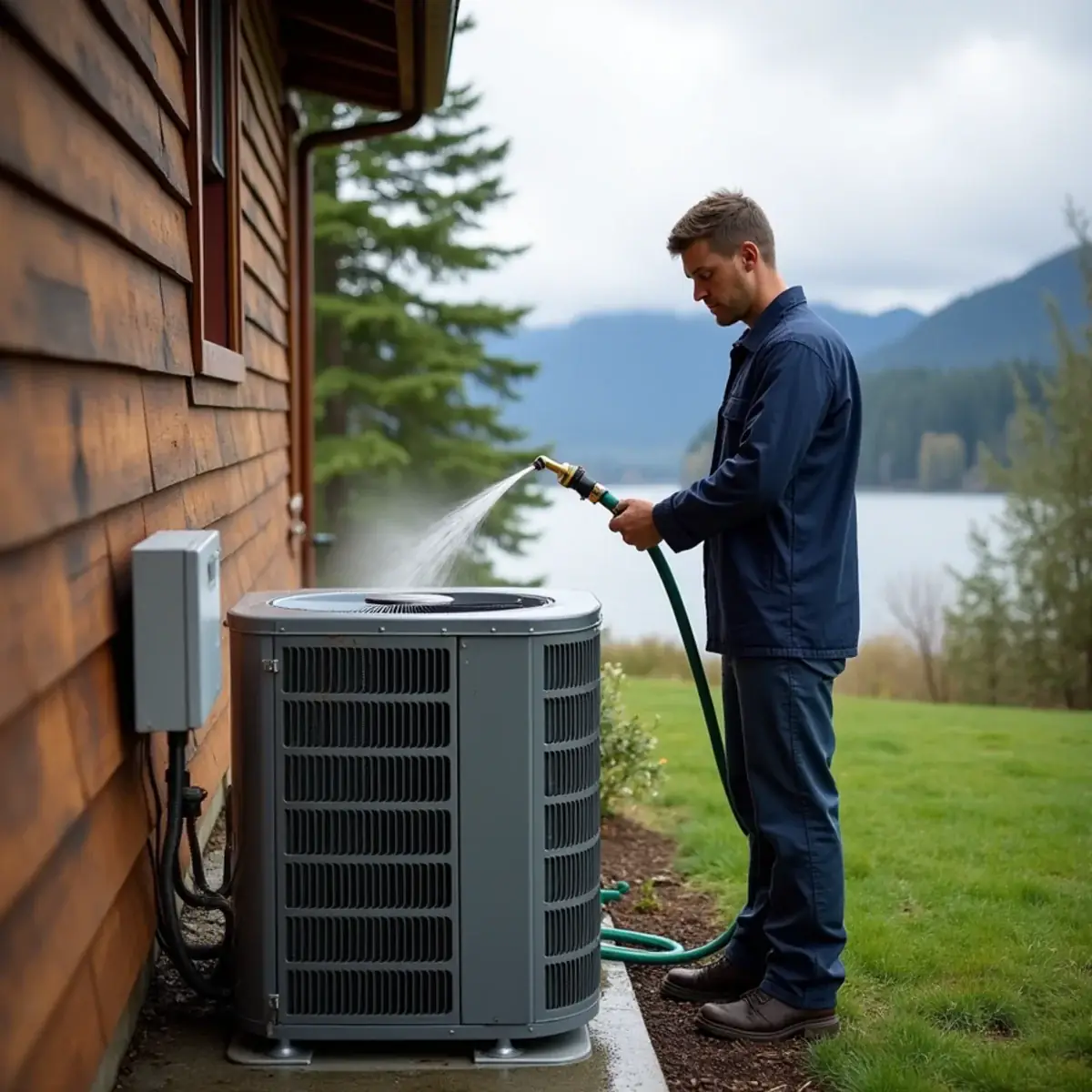
- Usually the tenant: changing filters if the lease says so, keeping supply and return vents clear, keeping the outdoor unit free of leaves and toys, replacing thermostat batteries, and reporting problems promptly
- Usually the landlord: diagnosing and repairing the furnace, heat pump or water heater, annual service, and replacing failed equipment
- Gray areas: clogged condensate lines, frozen outdoor units after a storm and damage from a missed filter change, so check your lease
Your first week after a PCS move
A quick walk-through in the first few days prevents most winter surprises:
- Find every filter location, including ceiling or wall return grilles, and note the sizes
- Photograph the thermostat settings and schedule before changing anything
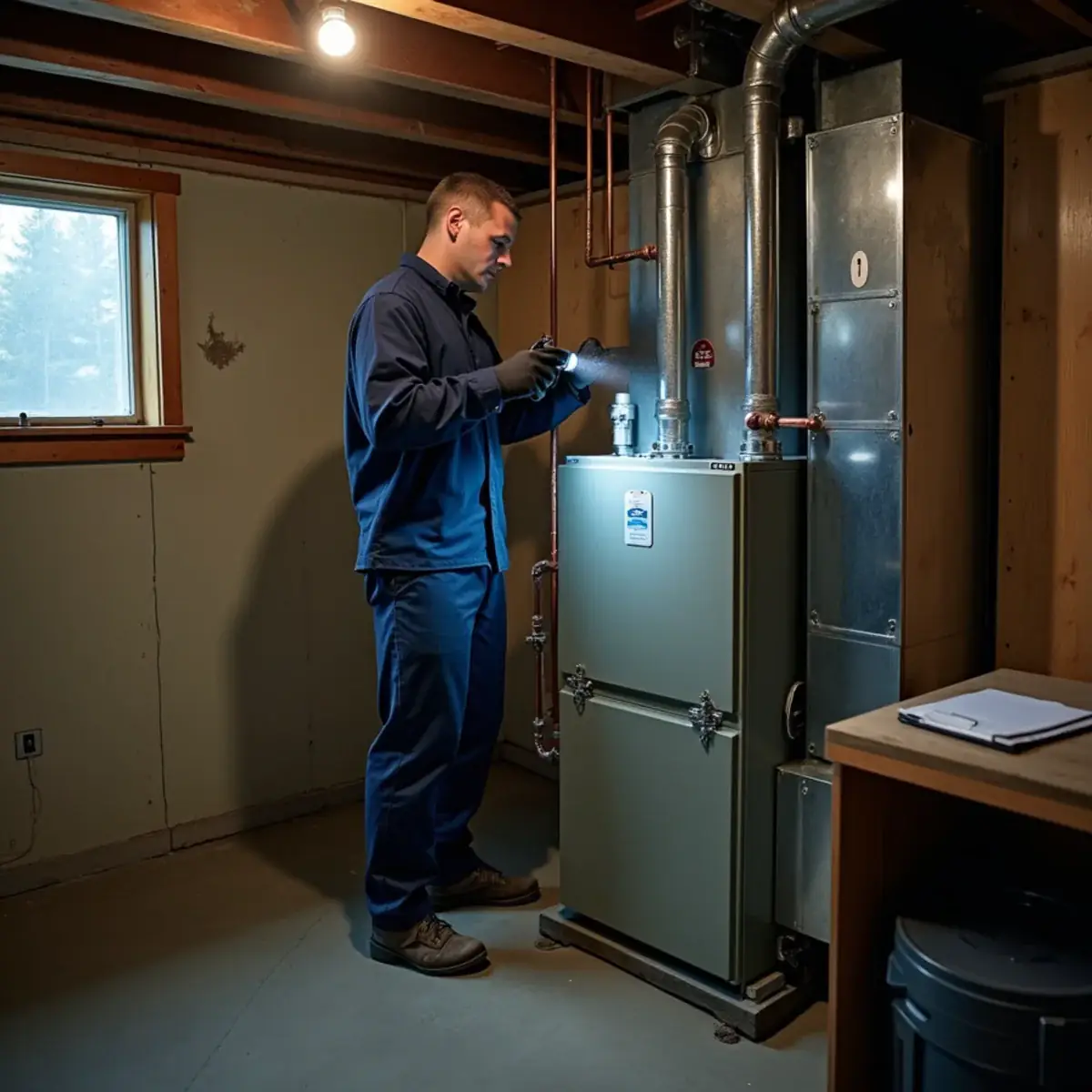
- Locate the electrical panel, the outdoor unit disconnect and the gas shutoff if the home has gas
- Test smoke and carbon monoxide alarms and note their expiration dates
- Check that the thermostat isn’t left in emergency or auxiliary heat mode
- Find the water heater and check that it’s strapped and not leaking
Figuring out your filter size
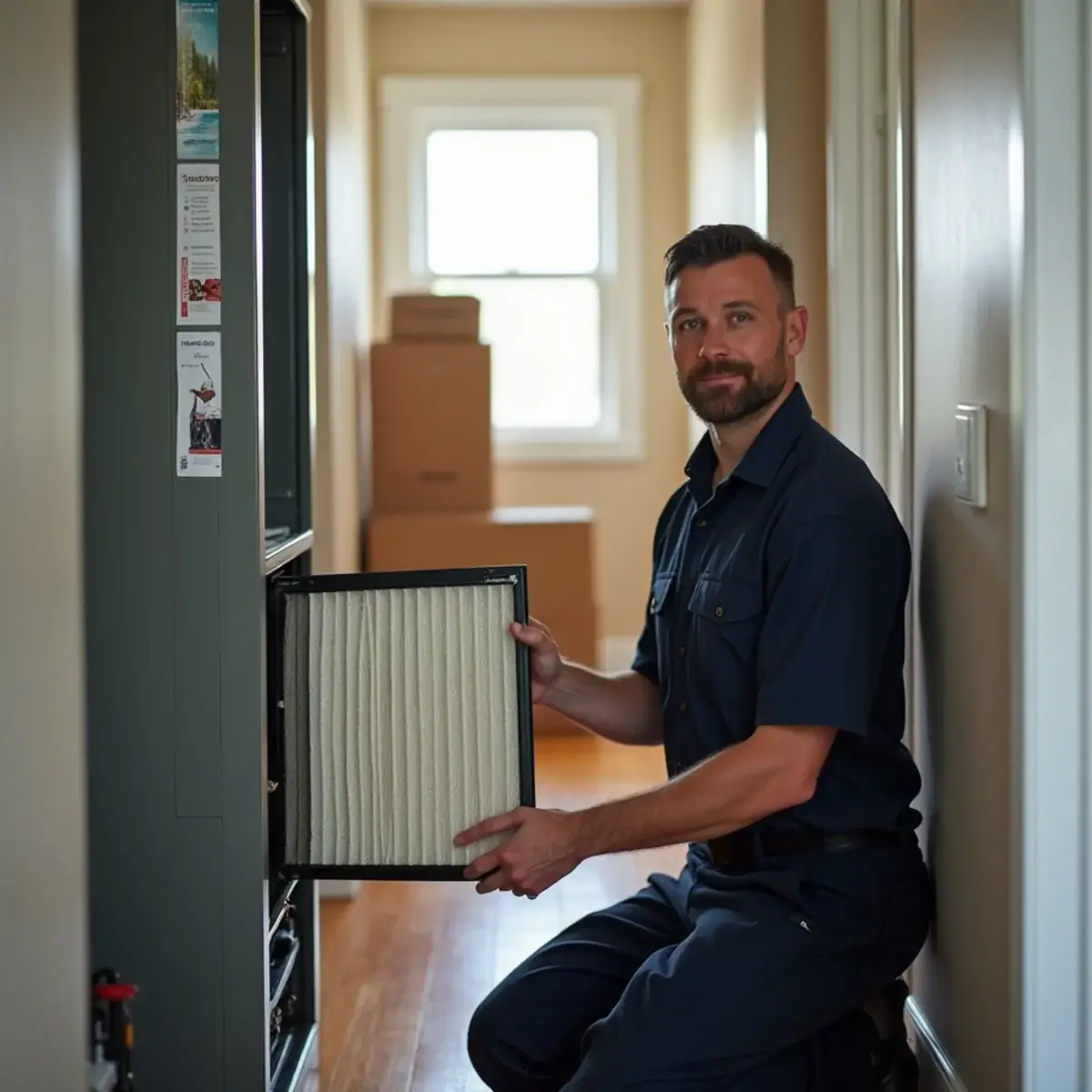
The size is printed on the edge of the existing filter, such as 16x25x1 or 20x20x1. Buy by that nominal size, not a tape measurement, and count how many returns the house has. Some homes have one filter at the furnace plus another in a hallway grille. A multi-pack in the right size makes monthly or quarterly changes easy.
Take dated photos while you are at it: the filter, the thermostat screen, the model and serial plates on the furnace or air handler and outdoor unit, and any rust, stains or damaged grilles. Add them to your move-in report for the landlord. They make later repair requests clearer and help settle deposit questions when orders take you elsewhere.
Heat pumps surprise a lot of new arrivals
Many families arrive from places where heating meant a gas furnace or barely mattered. Heat pumps are common in newer Silverdale and Central Kitsap homes, and they behave differently. Warm, steady air rather than a hot blast is normal. So is a defrost cycle on damp, cold mornings, when the outdoor unit stops its fan, makes a whooshing sound and releases a cloud of steam for a few minutes.
Big thermostat setbacks can backfire on some systems by bringing on expensive backup heat to recover. Modest, steady settings usually cost less. If the outdoor unit is buried in ice, blows cold air for long periods or trips a breaker, that calls for heat pump repair, through your landlord if you rent.
Before you PCS out
Leaving on good terms with a landlord, or setting up your own house as a rental, is easier with a little HVAC prep. Tenants should replace the filter, vacuum return grilles and leave any manuals behind. Owners renting out a home while stationed elsewhere should book HVAC maintenance before the tenant moves in, record equipment ages and filter sizes for the property manager, and make sure the manager knows who to call for no-heat calls in January.
Gas smell or CO alarm in a new-to-you home
An unfamiliar house makes it hard to judge what is normal, so treat these two signals as emergencies every time. Our guide on what to do if you smell gas near a furnace or fireplace goes further on the gas side.
- Gas smell: get everyone out without flipping switches or touching the thermostat, then from outside call 911 or the Cascade Natural Gas emergency line, since Cascade supplies natural gas in Kitsap County
- CO alarm: move everyone outdoors into fresh air and call 911; don’t go back in to silence it or restart the furnace
- Afterward: notify housing maintenance or your landlord in writing, and leave the system off until it has been checked; owners off base can book emergency HVAC repair once the home is cleared
From the field
What we find in rentals that turn over every few years
Houses near the bases change occupants often, and the HVAC problems we see follow that rhythm. The most common is a thermostat left in emergency or auxiliary heat by a previous tenant, so the heat strips carry the whole load and the first winter bill looks like a mistake. Close behind are return grilles hidden behind a couch or dresser in smaller rentals, and filters of the wrong size wedged into a slot because nobody wrote the right one down.
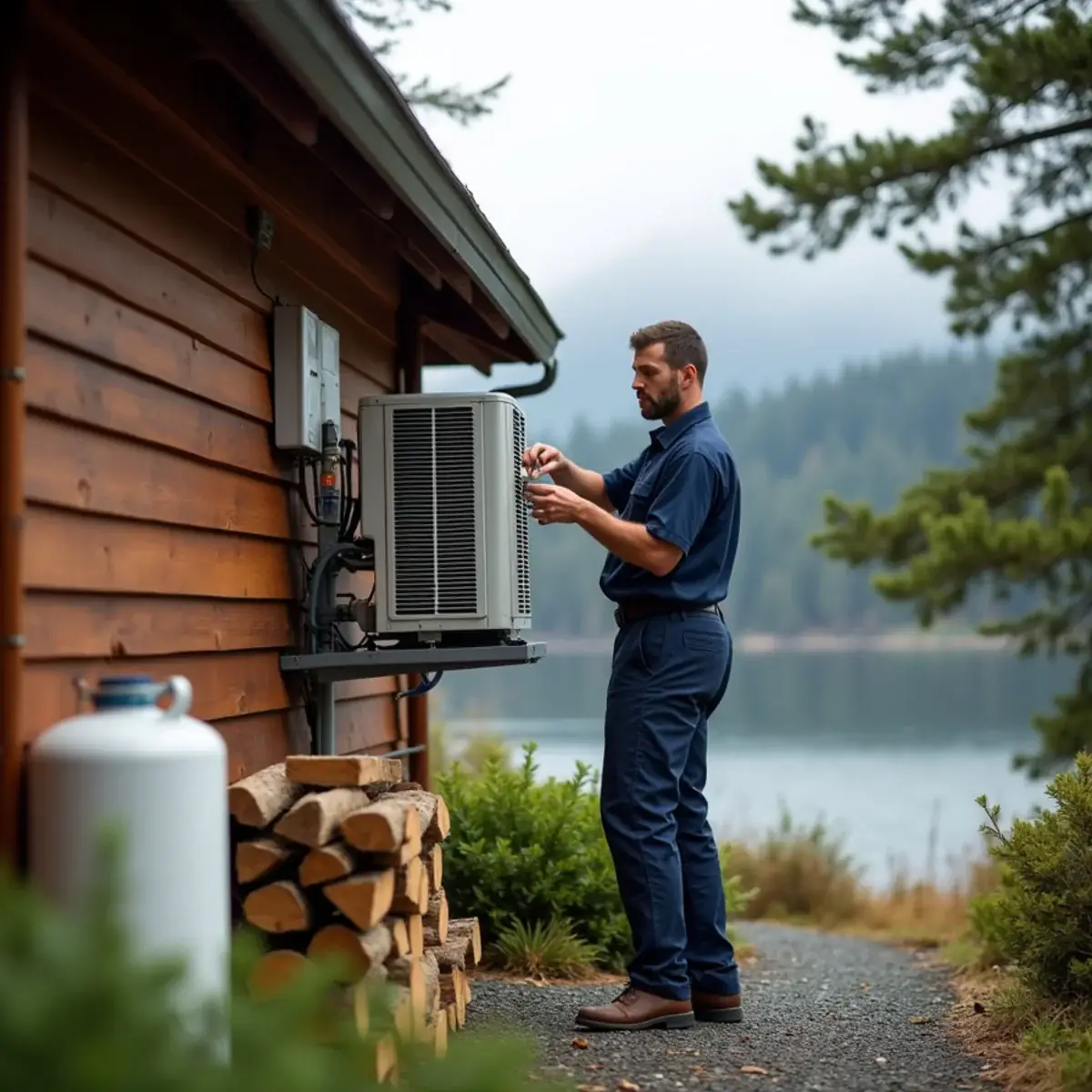
Outside, look for a heat pump boxed in by stored bikes, a tarp or a fence panel. It needs open air on every side, and a unit that can’t breathe will ice up and lean on backup heat. In the garage, check for a condensate pump that has been unplugged or knocked loose; on a high-efficiency furnace or an AC coil, that pump carries water away, and a dead one leaves a puddle.
Owners who rent a home out while stationed elsewhere make one mistake more than any other: shutting the heat off completely while the house sits empty between tenants. In our damp winters an unheated house collects moisture, and a cold snap can freeze pipes. Leave the heat at a low, steady setting and ask the property manager to confirm it restarts after outages, whether the home sits in Keyport or Central Kitsap; our note on restarting a heat pump after a power outage covers the safe steps. If the house loses heat entirely, no-heat repair is the call, through the landlord when you rent.
FAQ
Quick answers
Can you service my on-base home at Bangor or Bremerton?
No. On-base family housing is maintained by the privatized housing provider, so call housing maintenance for any heating, cooling or water heater issue. Our service covers off-base rentals and owned homes. If you rent off base, start with your landlord or property manager, since they typically arrange and pay for repairs.
Who pays for a furnace repair in my off-base rental?
In most cases the landlord, because Washington’s landlord-tenant law generally requires landlords to keep supplied heating equipment in working order. The lease may assign small tasks like filter changes to the tenant. Report problems in writing right away, and ask before hiring anyone yourself so you aren’t stuck with the bill.
How often should I change the furnace filter in a rental?
Check a one-inch filter monthly and plan on replacing it every one to three months, more often with pets or during wildfire smoke. Thicker media filters can last several months. Write the size and date on the frame when you install it, and take a photo in case the landlord asks.
What should I verify before hiring an HVAC contractor for a home I own near the base?
Look up the company’s Washington L&I contractor registration and make sure the name matches the written quote. Registered contractors carry a bond and liability insurance, and anyone handling refrigerant needs EPA Section 608 certification. For replacements, ask whether the quote includes a load calculation and permits. If you are stationed elsewhere, have the quote and invoice sent to both you and your property manager.
Can the base housing office help if an off-base landlord won’t fix the heat?
Often, yes. The Naval Base Kitsap Housing Service Center generally assists service members with off-base rental questions, including lease reviews and landlord disputes, so call them if a written repair request goes unanswered. Washington’s landlord-tenant law also sets shorter repair timelines for loss of heat than for minor issues once the landlord has written notice. Keep copies of every request, photo and reply.
The bottom line
A new duty station comes with enough to learn. Knowing who to call, where the filters are and what normal heat pump behavior looks like takes most of the stress out of your first Kitsap winter.
If you own an off-base home or manage a rental near the bases and want the system checked before a tenant or a new tour starts, we’re happy to help.
Sources & official references
- Cascade Natural Gas: gas safety and emergency contact information
- Washington L&I: verify a contractor’s registration, bond and insurance
- ENERGY STAR: heating and cooling guidance for homeowners
Programs, rules and fees change. Confirm current details with the source before you act.